Maryland trees are under more pressure in 2026 than most homeowners realize. Dramatic temperature swings are stressing root systems and weakening branch unions. And tree problems rarely announce themselves loudly. They build quietly over months, and by the time something looks obviously wrong, the damage is already done. Here are the seven most common tree care mistakes we’re seeing this year, and what you can do instead to keep your trees healthy, safe, and standing.
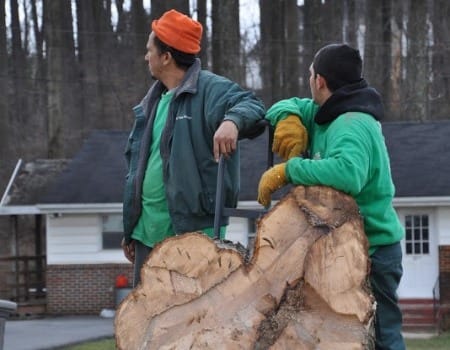
Mistake #1: Skipping the Post-Winter Inspection Maryland Tree Experts Recommend
After a long winter, it’s easy to glance at your trees, see leaves coming in, and assume everything is fine. A lot of homeowners skip the post-winter walkthrough entirely, especially if nothing looks visibly broken or fallen. The truth is that winter stress, freeze-thaw cycles, and heavy ice loads cause damage that often hides just beneath the surface, in cracks along the trunk, compromised branch unions, or root systems that shifted during ground heave.
Temperature fluctuations are harder on trees than consistent cold, and the effects may not be visible until summer heat puts additional stress on an already weakened tree. According to the International Society of Arboriculture, routine inspections are one of the most effective ways to identify structural hazards before they become emergencies that require full tree removal.
What to do instead: Schedule a tree health assessment each spring, ideally before full leaf-out, so structural issues are easier to spot and less costly to address.
Mistake #2: DIY Tree Trimming in Maryland at the Wrong Time of Year
Tree trimming feels like a manageable weekend project, and for small ornamental shrubs it often is. But when it comes to mature trees, timing and technique matter enormously. Many homeowners prune in late summer or fall when they have time, not realizing that cuts made at the wrong time leave trees vulnerable to disease and pest entry right before they go dormant.
Late-season cuts also rob the tree of energy reserves it needs to survive winter. The University of Maryland Extension recommends following species-specific pruning windows and consulting a professional before trimming any mature or high-value tree.
What to do instead: When in doubt, call a Maryland tree care service before picking up a chainsaw. Proper tree pruning by trained tree surgeons makes a real difference in long-term tree health and safety.
Mistake #3: Ignoring Early Warning Signs a Maryland Tree Care Service Would Catch
A few yellowing leaves, some unusual spots on the bark, a branch that didn’t leaf out this spring. Homeowners often chalk these signs up to normal variation and wait to see what happens. By the time the damage becomes obvious, the window for effective treatment has usually closed and tree removal becomes the only option.
In 2026, Maryland trees are dealing with active threats on multiple fronts. The spotted lanternfly continues to spread and weaken trees by feeding on their sap. Emerald ash borer has already devastated ash tree populations across Maryland, and the trees still standing are at risk. The Maryland Department of Natural Resources actively tracks these threats and urges homeowners to report signs of infestation early. Catching these issues before they spread to neighboring trees is one of the most valuable things a professional Maryland tree care service can do for your property.
What to do instead: If something looks off, trust your instincts and call a professional. Early diagnosis by experienced tree surgeons can save a tree that would otherwise need to be felled and removed entirely.

Mistake #4: Topping Trees Instead of What Trained Tree Surgeons Actually Recommend
Tree topping, the practice of cutting a tree’s main branches back to stubs, is still surprisingly common. Homeowners often request it when a tree feels too tall or is getting close to power lines. It seems like a logical fix, but it is one of the most damaging things you can do to a tree.
Topping removes a large portion of the tree’s leaf canopy, which is how it produces food. The tree responds by sending out fast-growing, weakly attached sprouts that are more likely to break in storms than the original branches were. Within a few years, a topped tree is often more hazardous than before, more likely to require emergency tree removal, and far less structurally sound. The Tree Care Industry Association strongly advises against topping and recommends crown reduction as the safer, more effective alternative.
What to do instead: Ask your tree care company in Maryland about crown reduction or selective tree trimming as alternatives to topping. The results look better, last longer, and don’t push your tree into survival mode.
Mistake #5: Planting Without Consulting a Tree Care Company in Maryland
New trees are exciting, and the instinct to plant quickly is understandable. But a lot of homeowners choose trees based on appearance alone, without considering mature size, root spread, soil conditions, or proximity to structures and utilities. A beautiful tree planted too close to a foundation, driveway, or sewer line will eventually cause expensive problems, sometimes requiring full tree removal to resolve.
Maryland’s urban and suburban landscapes have specific challenges, including compacted soils, heat islands, and limited root space. Casey Trees, a leading DC-area urban forestry organization, emphasizes that proper species selection and planting location are the single biggest factors in a tree’s long-term survival and health. Maryland tree experts can help you choose species that will thrive in your specific yard conditions without becoming a future liability.
What to do instead: Before you plant, consult with a tree care company in Maryland about species selection, placement, and soil prep. A little planning upfront prevents a lot of tree removal expense down the road.
Mistake #6: Waiting Too Long to Call an Emergency Tree Service in MD in 2026
After a major storm, the instinct is often to wait and see. Maybe the hanging branch will settle. Maybe that split trunk isn’t as bad as it looks. In reality, storm-damaged trees are among the most dangerous situations a homeowner can face, and delay almost always makes emergency tree removal more complicated and more costly.
Spring 2026 has already brought significant storm activity to the Maryland region, and summer storm season is ahead. Hanging limbs, split trunks, and root-heaved trees can fail suddenly, especially during follow-up storms or high winds. The Tree Care Industry Association recommends having a qualified professional assess any storm-damaged tree before attempting cleanup. If you have visible damage on your property, contacting an emergency tree service in Maryland quickly is the responsible call for your family and your neighbors.
What to do instead: After any significant storm, do a visual walkthrough of your property and call a professional tree service in Maryland if you see hanging branches, cracks in the trunk, or trees leaning in a new direction. Emergency tree removal handled promptly is far safer and less expensive than waiting for a second failure.
Your Trees Deserve Experienced Hands. Call Ed’s Tree Service today.
At Ed’s Tree Service, we’ve been caring for trees across Maryland, Northern Virginia, and DC for nearly 40 years. Whether you need a spring health assessment, emergency tree removal after storm damage, routine tree trimming, or just a second opinion on a tree you’re worried about, we’re here to help.
Reach out today to schedule a free estimate with our team of Maryland tree experts. No pressure, no obligation, just honest advice from people who love trees as much as you do.
Key Takeaways
- Schedule a spring tree inspection every year, especially after a hard winter, to catch issues before they require tree removal.
- Time your tree trimming correctly and leave mature tree work to trained tree surgeons.
- Don’t wait on pest or disease symptoms. Early action by a Maryland tree care service saves trees and money.
- Topping trees creates long-term hazards and increases the chance of emergency tree removal. Ask about crown reduction instead.
- Plan before you plant. The right tree in the right spot avoids costly tree removal down the line.
Frequently Asked Questions About Maryland Tree Care
How often should Maryland homeowners have their trees inspected?
Once a year is the minimum, and spring is the best time to do it. A post-winter inspection catches damage from freeze-thaw stress, ice loading, and wind before it compounds during summer heat. According to the International Society of Arboriculture, regular inspection by a qualified professional is one of the most effective ways to extend the life of your trees and identify hazards that may require tree trimming or removal before they become emergencies.
What should I look for when hiring a tree service in Maryland?
Look for a company that carries liability insurance and workers’ compensation, employs trained professionals, and is willing to provide documentation before work begins. The Tree Care Industry Association maintains a directory of accredited member companies and publishes safety and hiring standards that can help you evaluate any contractor you’re considering for tree removal, tree trimming, or emergency tree service.