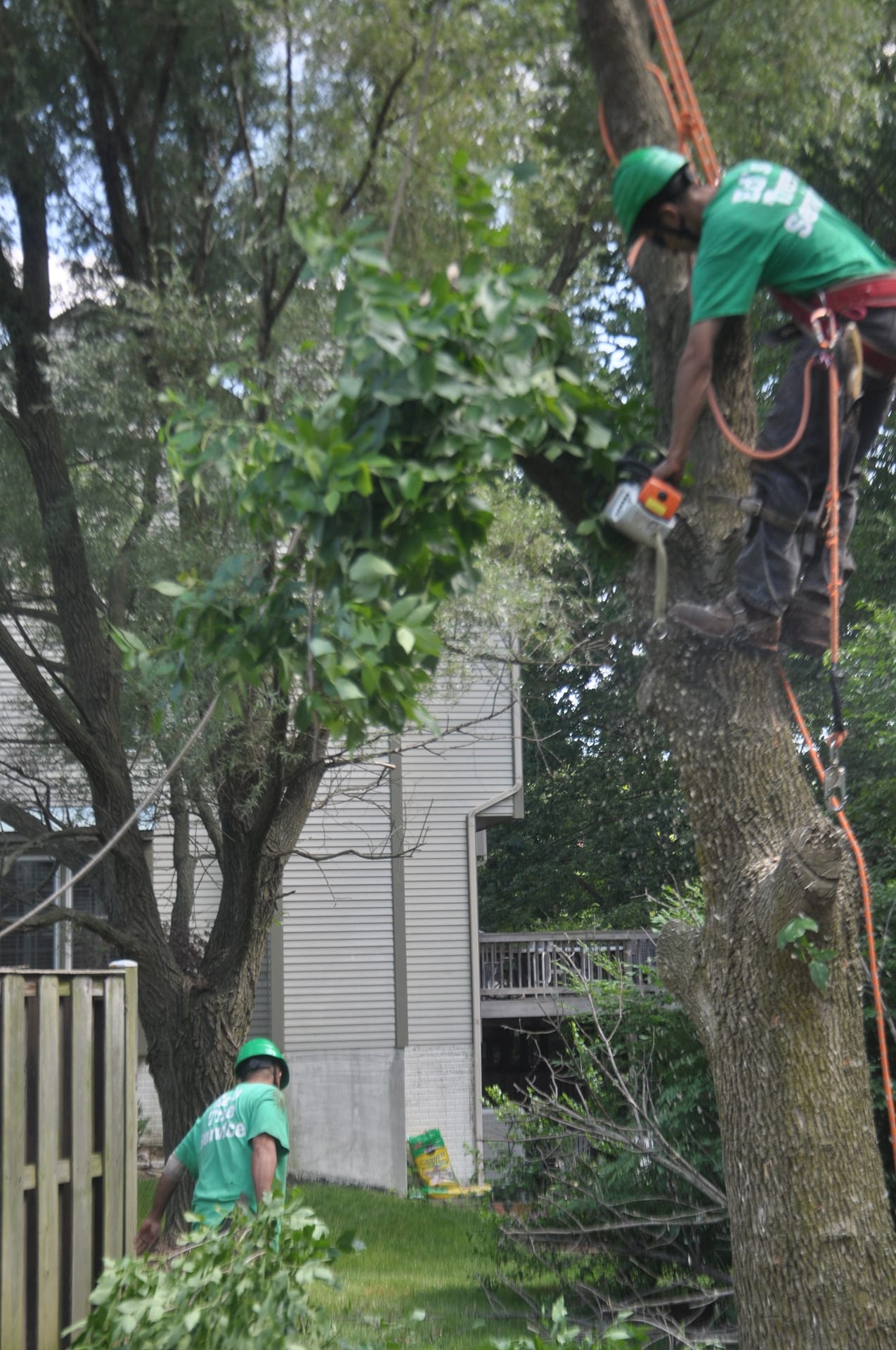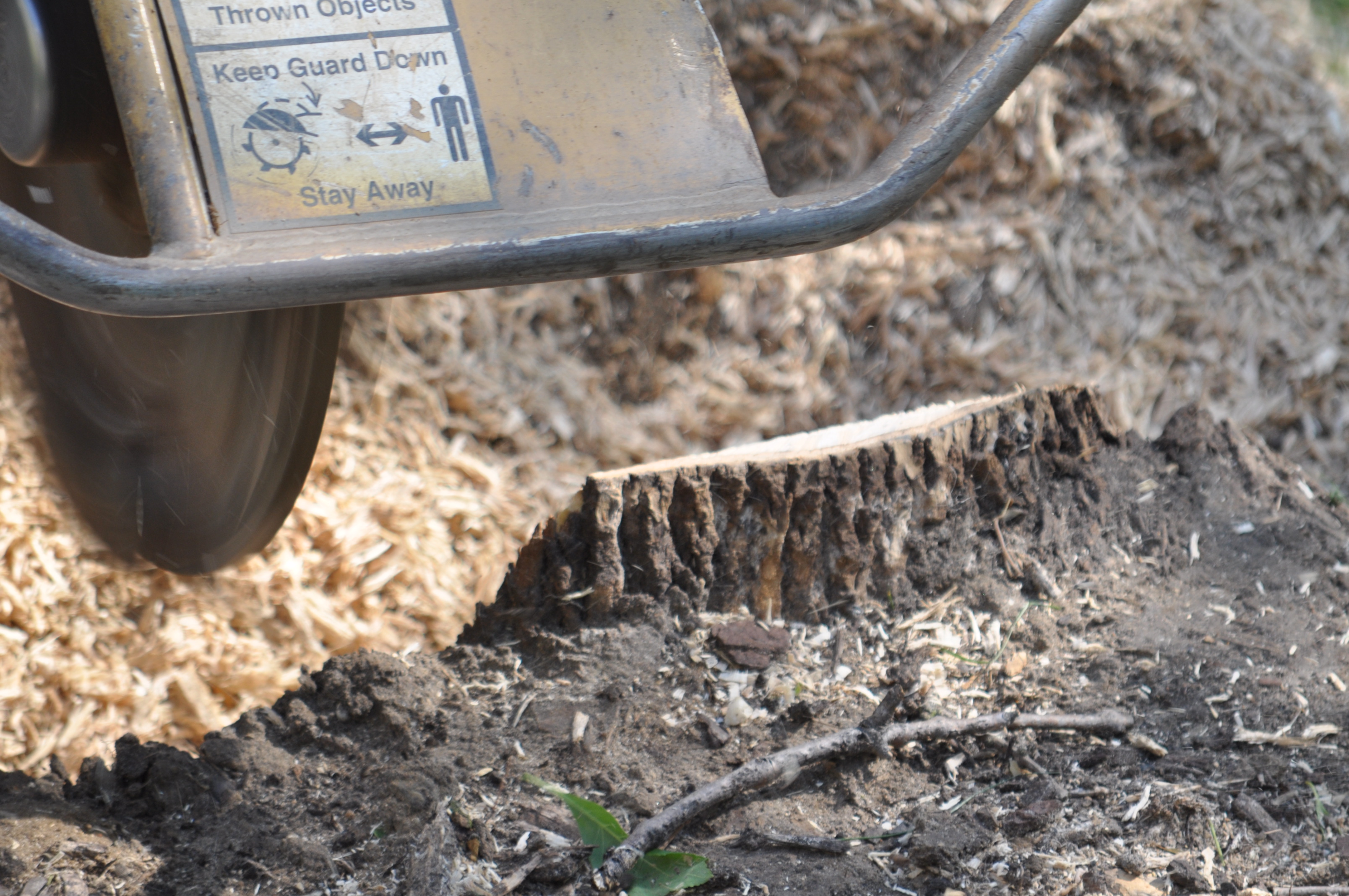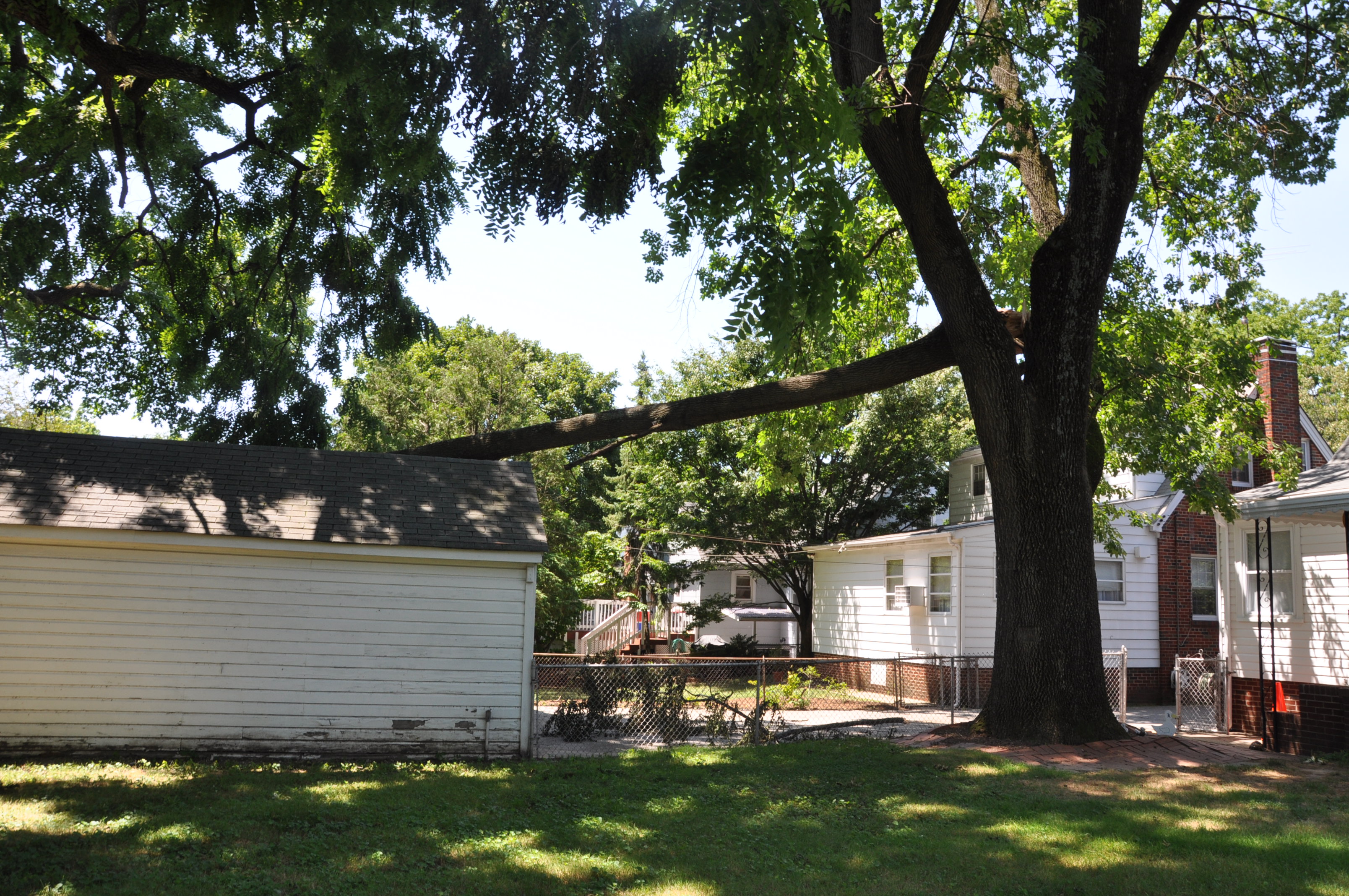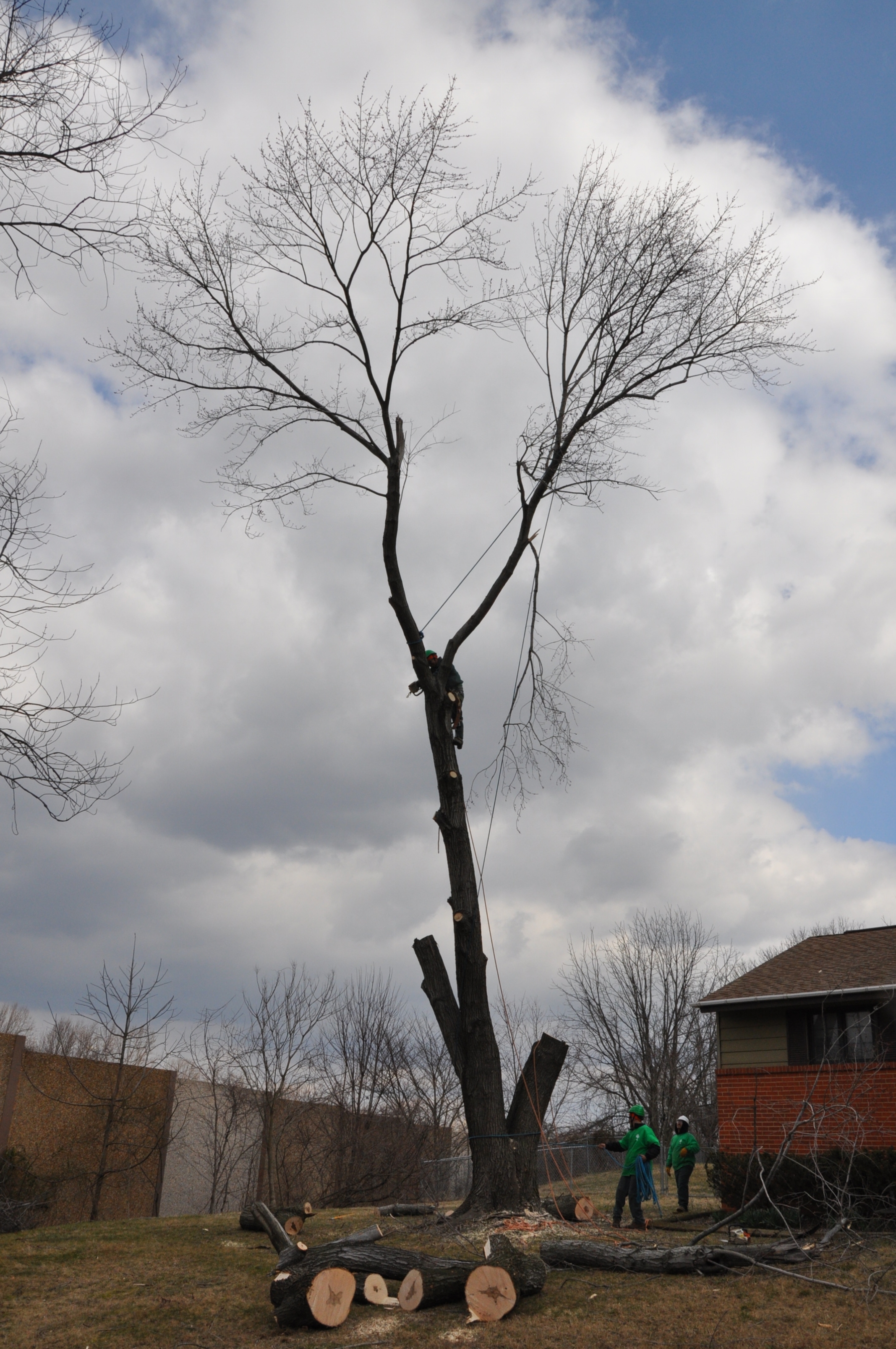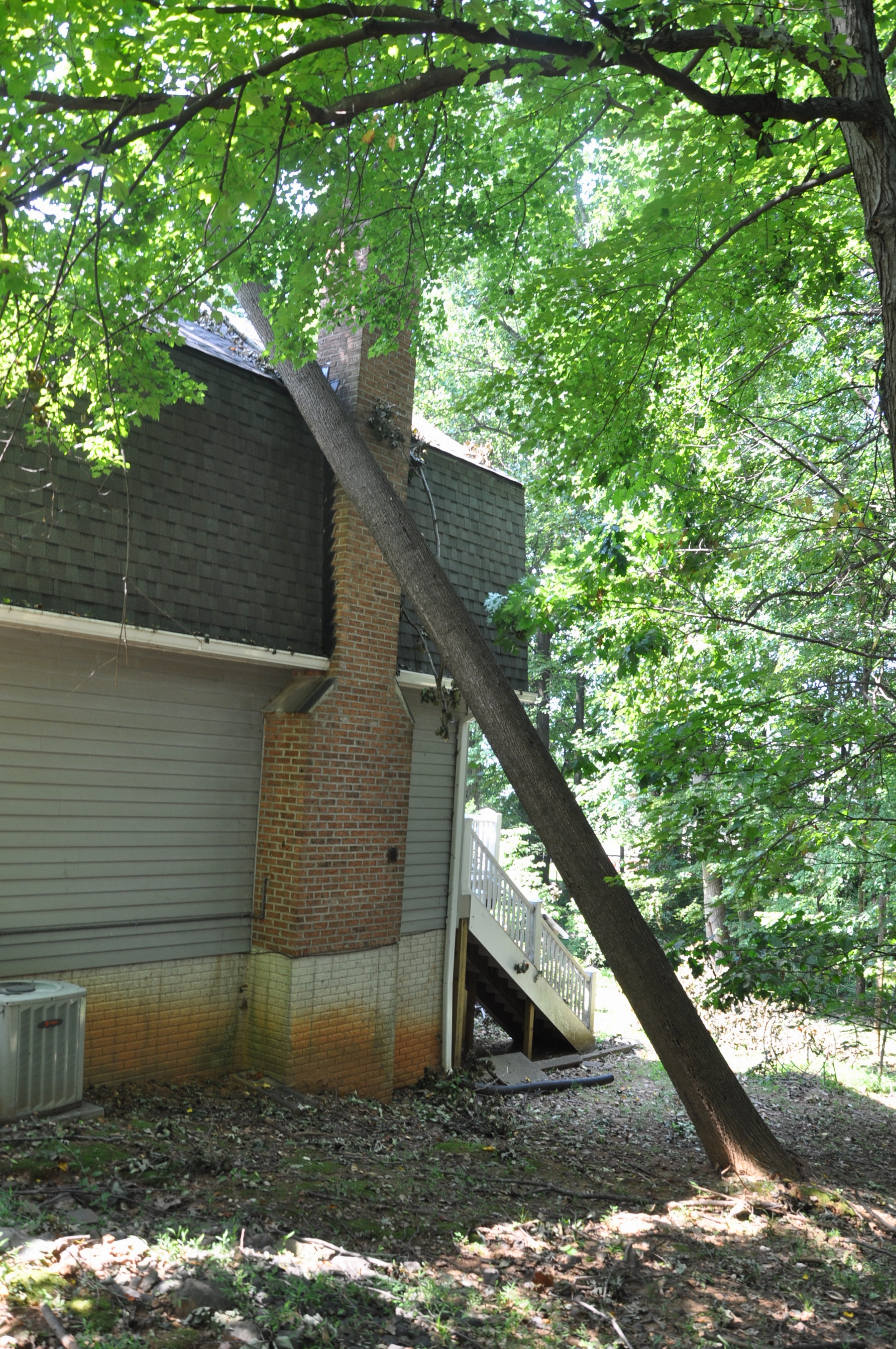
Late winter is the perfect time to give your trees the care they need to thrive in the spring. Just like any relationship worth nurturing, your trees benefit from attention during their dormant season. Professional tree pruning and maintenance between February and early April sets your landscape up for healthy growth, stronger branches, and a safer property. Here’s what our arborists recommend for Maryland and DC homeowners who want to invest in their trees’ long-term health.
Why Late Winter is Prime Time for Tree Care in Maryland
 After nearly 40 years serving Maryland and DC, we’ve learned that timing matters when it comes to tree care. Late winter offers a unique window when trees are dormant but spring growth hasn’t started yet. This makes it the ideal season for pruning, structural work, and health assessments. Your trees are essentially asleep right now, which means they experience less stress from pruning cuts and recover faster once warm weather arrives.
Here’s why February through early April is such a valuable time for tree maintenance. Dormant trees have already stored their energy reserves for spring, so removing branches now won’t deplete their resources. Without leaves in the way, our certified arborists can clearly see your tree’s structure, identifying weak branches, crossing limbs, and potential hazards that might be hidden during summer. Disease-causing fungi and insects are also inactive during cold weather, which reduces the risk of infection through fresh pruning cuts.
What Professional Tree Surgeons Look for During Winter Assessments
When our team evaluates your trees during late winter, we’re looking at the whole picture. Think of it as a health checkup that catches small problems before they become expensive emergencies. We examine the tree’s overall structure, checking for balanced weight distribution and strong branch attachments. Dead, damaged, or diseased wood gets flagged for removal. Crossing or rubbing branches that will cause wounds later get identified. We also look for signs of pest damage, decay, or structural weaknesses that might not be obvious to homeowners.
Maryland’s climate presents specific challenges for tree health. Our region sits in USDA Hardiness Zones 7a and 7b, which means we experience freeze-thaw cycles that can stress trees, particularly during late winter. Ice damage from winter storms often shows up as cracked or partially broken branches that need attention before they fall. We also assess how well your trees weathered the winter and what they’ll need to handle spring storms and summer heat.
Essential Tree Trimming in Maryland: What Should Happen Now
Pruning for Health and Safety
Proper pruning is about more than just making trees look neat. It’s about removing problems before they threaten your property or your family’s safety. Dead branches become projectiles during spring storms. Diseased limbs spread infection to healthy parts of the tree. Crossing branches create wounds that invite pests and decay. Our arborists remove these issues while the tree is dormant, giving it the best chance to heal quickly.
The International Society of Arboriculture emphasizes that pruning cuts should be made at specific locations on the branch to promote proper healing. This isn’t just cutting wherever looks right. Professional tree surgeons understand branch collar anatomy and make precise cuts that help the tree seal wounds naturally. Poor pruning technique can actually harm your tree more than not pruning at all.
Structural Pruning for Young Trees

If you have younger trees on your property, late winter is the perfect time for structural pruning. This type of maintenance establishes a strong framework that will support the tree for decades. We remove competing leaders, correct narrow branch angles, and establish proper spacing between major limbs. Think of it as teaching your tree good posture while it’s still developing.
Crown Cleaning and Thinning
Mature trees benefit from crown cleaning, which removes dead, dying, or weakly attached branches throughout the canopy. Crown thinning selectively removes branches to reduce density, allowing better air circulation and light penetration. This is especially important for trees in urban and suburban settings where storms can turn dense canopies into sails that catch wind and cause failures.
Choosing a Maryland Tree Pruning Service: What to Look For
Here’s what matters when you’re selecting a tree pruning service in MD. Look for ISA certified arborists who have formal training in tree biology and proper pruning techniques. Verify that the company carries liability insurance and workers’ compensation coverage. Ask about their pruning standards and whether they follow ANSI A300 guidelines. Avoid companies that top trees, use climbing spikes on trees being pruned (rather than removed), or make flush cuts that remove the branch collar.
We understand that finding a trustworthy professional tree care company in the Maryland and DC area means looking for experience and proper credentials. Our tree trimming company in Chevy Chase has been caring for local trees since the 1980s, and we’ve seen what works and what causes long-term problems.
Seasonal Care Timeline for Maryland Trees
| Season | Best Activities | Why This Timing Works |
|---|---|---|
| Late Winter (Feb-March) | Major pruning, structural work, hazard removal | Trees are dormant, structure is visible, wounds heal quickly in spring |
| Early Spring (April) | Final pruning before growth starts, mulching, fertilization | Catch the last window before sap flow increases |
| Late Spring/Summer | Monitor new growth, storm damage response, limited corrective pruning | Trees are actively growing; minimize pruning stress |
| Fall | Remove dead wood, light maintenance only | Avoid heavy pruning that stimulates new growth before winter |
Beyond Pruning: Other Winter-to-Spring Tree Care Tasks
While pruning gets most of the attention, comprehensive tree care includes other important tasks during this transition season. Here’s what else should be on your radar.
Mulch renewal helps regulate soil temperature and retain moisture as weather warms up. Apply a 2-3 inch layer of organic mulch around the tree’s root zone, but keep it away from the trunk itself. Soil testing and fertilization can address nutrient deficiencies before the growing season begins. Cable and bracing systems for trees with structural weaknesses should be inspected and maintained. This is also an excellent time to remove any tree stakes and ties from younger trees that have been in the ground for more than a year.
Key Takeaways
- Late winter (February through early April) is the optimal time for tree pruning in Maryland because trees are dormant and can heal quickly once spring arrives
- Professional arborists can identify structural problems, dead wood, and safety hazards more easily when trees are bare
- Proper pruning technique matters tremendously; poor cuts can cause long-term damage to tree health
- Young trees need structural pruning to establish strong frameworks, while mature trees benefit from crown cleaning and thinning
Frequently Asked Questions
When is the best time to prune trees in Maryland?
The best time to prune most trees in Maryland is late winter through early spring (February to early April) while trees are still dormant. According to the International Society of Arboriculture, dormant season pruning minimizes stress on trees, reduces the risk of disease transmission, and allows arborists to clearly see tree structure without leaves obscuring the view. There are exceptions for trees that bleed sap heavily (like maples and birches) and spring-flowering trees, but for most species, late winter is ideal.
Can I prune my own trees or should I hire an arborist?
You can safely prune small branches (under 2 inches in diameter) that you can reach from the ground, but larger pruning jobs should be left to professional tree surgeons. The Mid-Atlantic Chapter of the International Society of Arboriculture emphasizes that improper pruning techniques can permanently damage trees, create safety hazards, and reduce property values. Professional arborists have the training to make proper cuts, the equipment to work safely at heights, and the knowledge to recognize disease, decay, and structural problems that homeowners might miss.
What’s the difference between tree trimming and tree pruning?
Tree trimming and tree pruning are often used interchangeably, but technically pruning focuses on tree health while trimming emphasizes aesthetics and clearance. According to ANSI A300 standards maintained by the Tree Care Industry Association, pruning involves selective removal of branches to improve structure, remove hazards, and enhance tree health, while trimming typically refers to maintaining a tree’s shape and removing branches that interfere with buildings, power lines, or views. Professional arborists use proper pruning techniques regardless of which term is used, focusing on cuts that promote healthy wound closure and long-term tree vitality.
Do trees need to be pruned every year?
Most mature trees don’t need annual pruning, but they should be inspected yearly for safety concerns. Young trees benefit from structural pruning every 2-3 years during their first decade to establish good form. Mature trees typically need pruning every 3-5 years for maintenance, though this varies by species, location, and individual tree health. The University of Maryland Extension recommends regular assessments by qualified arborists who can determine what each tree needs based on its condition, not a predetermined schedule. Storm damage, disease, or structural problems may require immediate attention regardless of when the tree was last pruned.
Will pruning hurt my tree?
Proper pruning done at the right time by trained arborists won’t hurt your tree and actually improves its health and safety. Trees naturally shed branches and compartmentalize wounds, and professional pruning works with these natural processes. The International Society of Arboriculture’s Best Management Practices emphasize that correct pruning cuts promote rapid wound closure and minimize stress. However, improper pruning like topping, removing too much of the canopy at once, or making incorrect cuts can seriously damage or even kill trees. This is why choosing qualified professionals matters so much.
Let Ed’s Tree Service Help Your Trees Thrive This Spring
Your trees deserve care from experienced professionals who understand Maryland’s unique climate and tree species. Our family-owned, woman-owned company has been serving the area for nearly 40 years, and we’d be honored to help you give your landscape the attention it deserves this season. Whether you need comprehensive pruning, a safety assessment, or guidance on long-term tree health, our certified arborists are here to help.