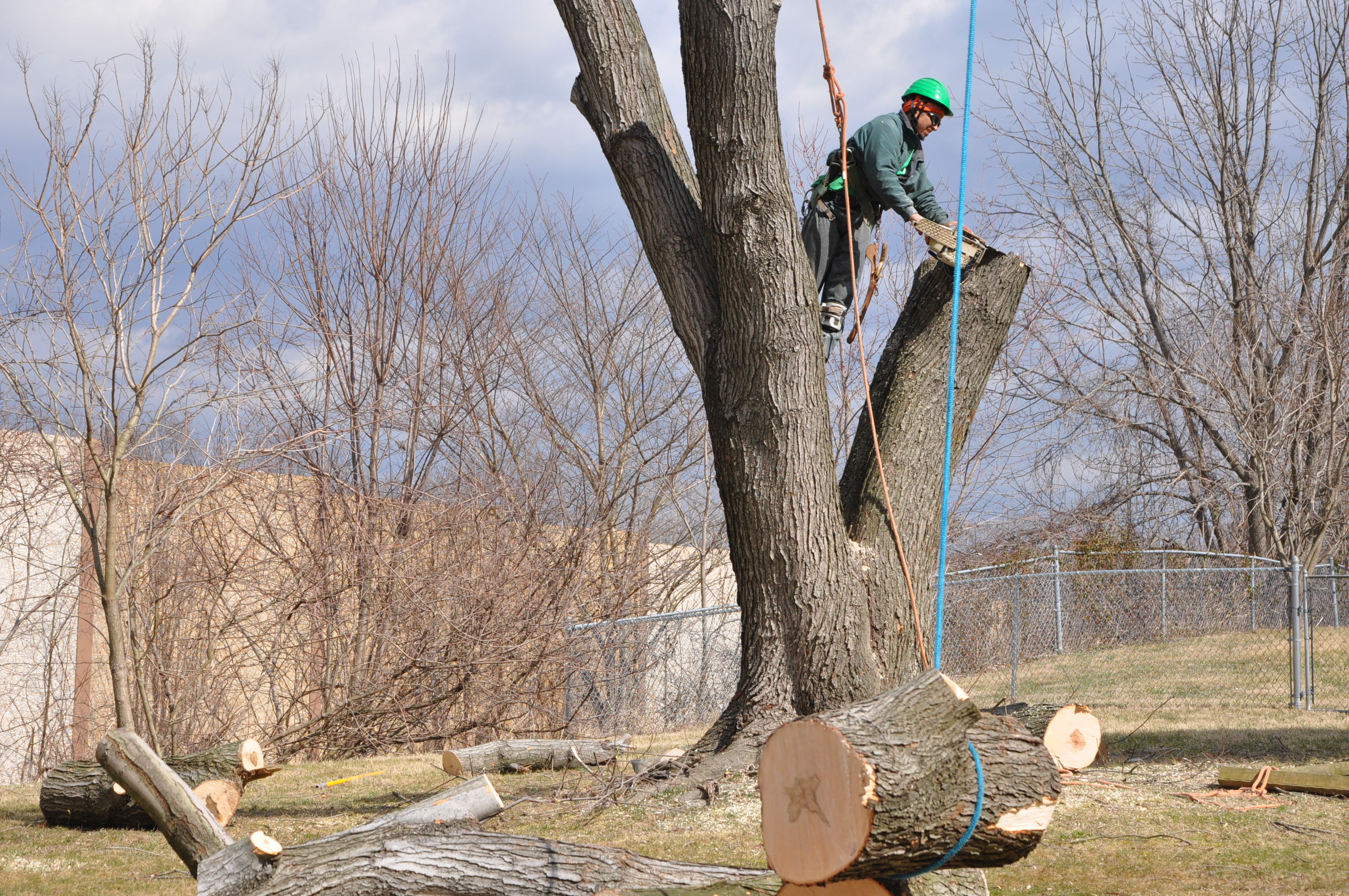
Every spring and summer, homeowners in the DMV area watch storms roll in and prepare for the worst. After nearly four decades of responding to storm damage across the region, our team at Ed’s Tree Service has learned that the trees most likely to fail during a storm are usually the ones that were already struggling before the first drop of rain fell. Knowing what to look for now, before storm season peaks, can protect your home, your family, and your property from a costly and dangerous situation.
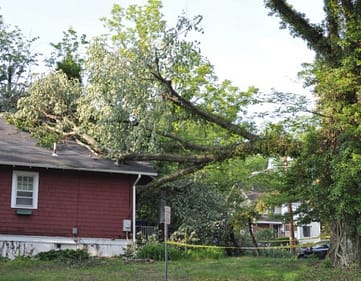 Why Maryland and DC Trees Are Especially Vulnerable to Storm Damage
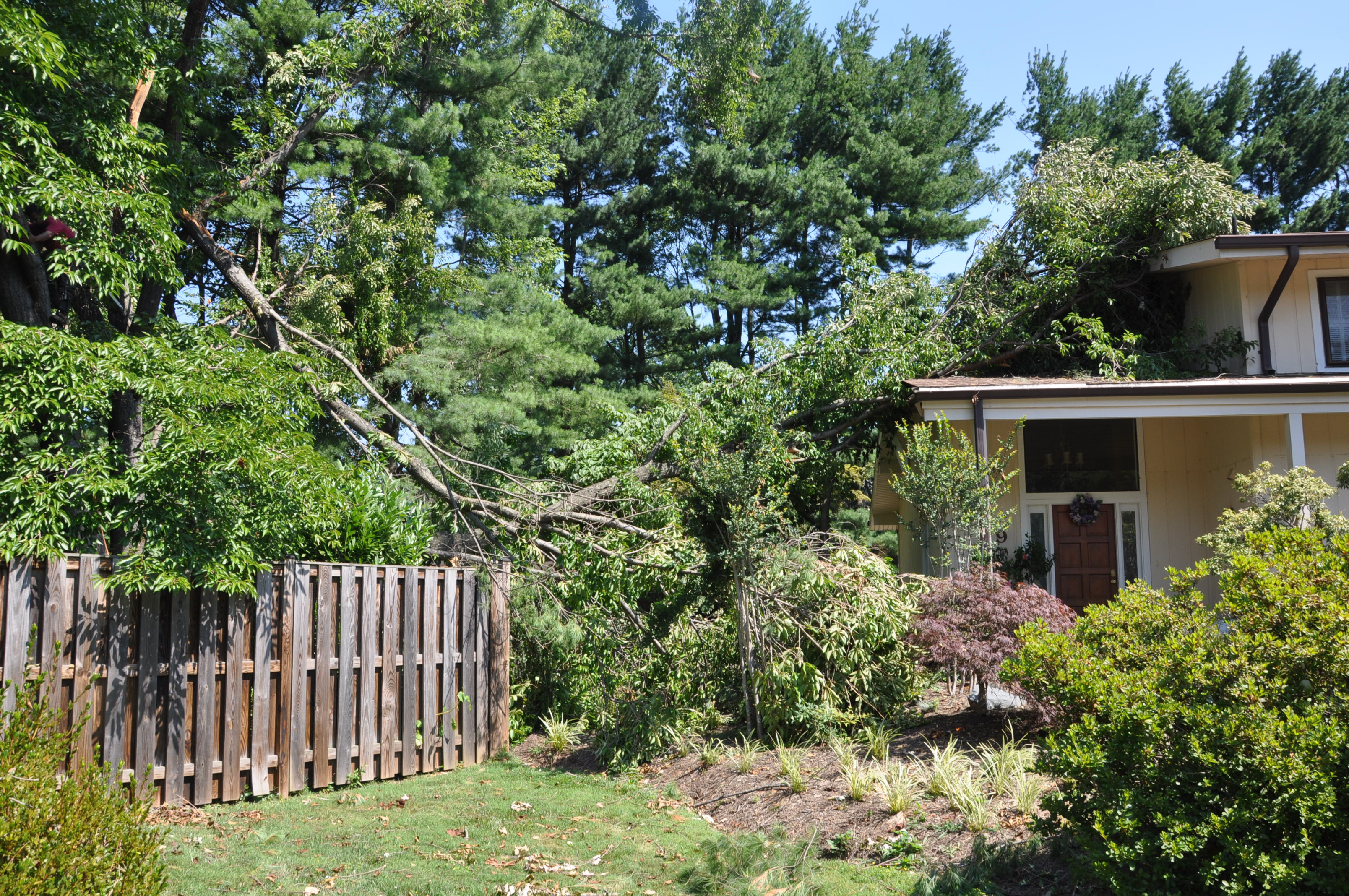
Our region puts trees under serious pressure. Summer thunderstorms bring powerful wind gusts and heavy rainfall that saturates soil, loosening the root systems that anchor even large, mature trees. Winter ice storms add hundreds of pounds of weight to branches and canopies that were never designed to carry that kind of load. And because Maryland and DC properties are often heavily wooded, the risk of a failing tree reaching a structure, a vehicle, or a power line is very real.
The trees themselves vary widely in how well they hold up. Some species native to the region are naturally resilient, while others like Bradford pears and silver maples are known to be structurally weaker and more prone to splitting under storm pressure. Understanding what is growing on your property is a helpful first step in understanding your risk.
Warning Signs Your Tree May Be a Storm Risk
Many of the most dangerous trees show no obvious signs of failure until a storm forces the issue. That said, there are warning signs that homeowners can watch for during a simple walk around their property.
According to the Alabama Cooperative Extension System, homeowners should inspect the trunk, major branches, and root zone regularly for the following signs:
- Dead or dying branches: Dry, brittle limbs with no buds or peeling bark. These are sometimes called widow-makers because they can fall without warning even in mild conditions.
- Cracks or splits in the trunk: Vertical cracks or separations in the bark signal serious structural weakness that storms can quickly worsen.
- Fungal growth: Mushrooms or conks growing at the base or along the trunk indicate internal decay and compromised structural integrity.
- New or worsening lean: A tree that has developed a lean, especially after wet weather, may have shifting or failing roots beneath the surface.
- Raised soil around the base: Soil lifting or cracking near the roots is a sign the root system is under stress or beginning to fail.
- Cavities or hollow sections: Hollows in the trunk or at major branch junctions indicate advanced decay. The larger the cavity, the greater the risk.
- Co-dominant stems: Two trunks of equal size growing from the same point can split apart under storm load, especially when included bark grows inward between the stems, weakening the attachment point.
Ashland Insurance notes that most trees that fall during storms do not fall because of the wind alone. They fall because they were already compromised. A quick visual check during yard work is one of the most practical things a homeowner can do to catch problems early.
 The Real Cost of Waiting: Why Proactive Care Beats Emergency Branch Removal
Scheduling preventative tree care can feel like something easy to push to next season. But proactive work from a tree removal service in Maryland is almost always less expensive than emergency branch removal or a full emergency tree service MD callout after a tree has already come down. Emergency response costs more, the cleanup is more complex, and the risk of property damage in the meantime is real.
There is also the question of liability. According to the Maryland People’s Law Library, a homeowner can be held liable if a tree on their property was in deteriorating condition and caused damage to a neighboring property. If you knew or should have known the tree was hazardous, that responsibility falls to you.
On the insurance side, the Maryland Insurance Administration says that while homeowners policies generally cover sudden, accidental damage from a tree fall, coverage has real limits. Damage resulting from a tree that was clearly neglected may complicate a claim. Addressing known hazards before a storm is one of the most straightforward ways to protect both your property and your coverage.
Key Takeaways
- Most storm-related tree failures are caused by pre-existing structural weakness, not the storm itself
- Warning signs include dead branches, trunk cracks, fungal growth, new leaning, raised soil, and hollow sections
- Maryland homeowners can be held liable for damage caused by a tree they knew was hazardous
- Homeowners insurance coverage for tree damage has limits, especially when a tree was visibly neglected
Frequently Asked Questions About Storm Tree Risk in Maryland and DC
How do I know if a tree is dangerous before a storm hits?
Look for dead branches, trunk cracks, fungal growth, leaning, and raised soil near the base. According to the ISA, tree owners should recognize that both the condition of the tree and its proximity to structures and people determine whether it poses a true hazard. When you are unsure, a professional assessment is always the right next step.
What should I do immediately after a storm damages a tree on my property?
Stay away from the damaged tree and do not attempt to remove branches yourself. The Alabama Cooperative Extension System says that storm-damaged trees should be evaluated based on the potential targets they could harm, and that trees near structures, driveways, or walkways should be prioritized for immediate professional attention. Contact our emergency tree removal team as soon as it is safe to do so.
Does homeowners insurance cover tree removal in Maryland?
It depends on your policy and the circumstances. The Maryland Insurance Administration notes that most policies cover damage to insured structures when a tree falls on them, but general tree removal from your yard is typically limited to between $500 and $1,000 per event, regardless of how many trees come down.
How often should I have my trees professionally inspected?
Most experts recommend every one to three years, with more frequent inspections for trees showing signs of stress. Riverbend Landscapes says that yearly inspections are better for homeowners with trees that are older, structurally compromised, or located near high-traffic areas of the property.
Can a damaged tree be saved, or does it always need to be removed?
Not every damaged tree needs to come down. According to the ISA, depending on the severity of the defect, solutions may include selective pruning, weight reduction, cabling, or ongoing monitoring. Our team will always give you an honest assessment and explore every option before recommending full removal. Learn more about our tree trimming and pruning services and how preventative care can make a real difference.
Ready to Get Your Trees Assessed Before Storm Season?
Our licensed team of tree care professionals and emergency tree removal experts has been protecting Maryland and DC properties for nearly 40 years. We are here to give you straightforward answers and dependable service. Request your free estimate today and go into storm season feeling prepared.
Sources
- International Society of Arboriculture: Tree Risk Assessment Qualification
- ISA: Tree Hazards for Tree Owners
- Alabama Cooperative Extension System: Restoring Storm-Ravaged Trees
- Ashland Insurance: Homeowner’s Tree Health Assessment Checklist
- Riverbend Landscapes: Tree Risk Assessment in Northern Virginia
- Maryland People’s Law Library: Storm Damage FAQs
- Maryland Insurance Administration: Fallen Tree Coverage