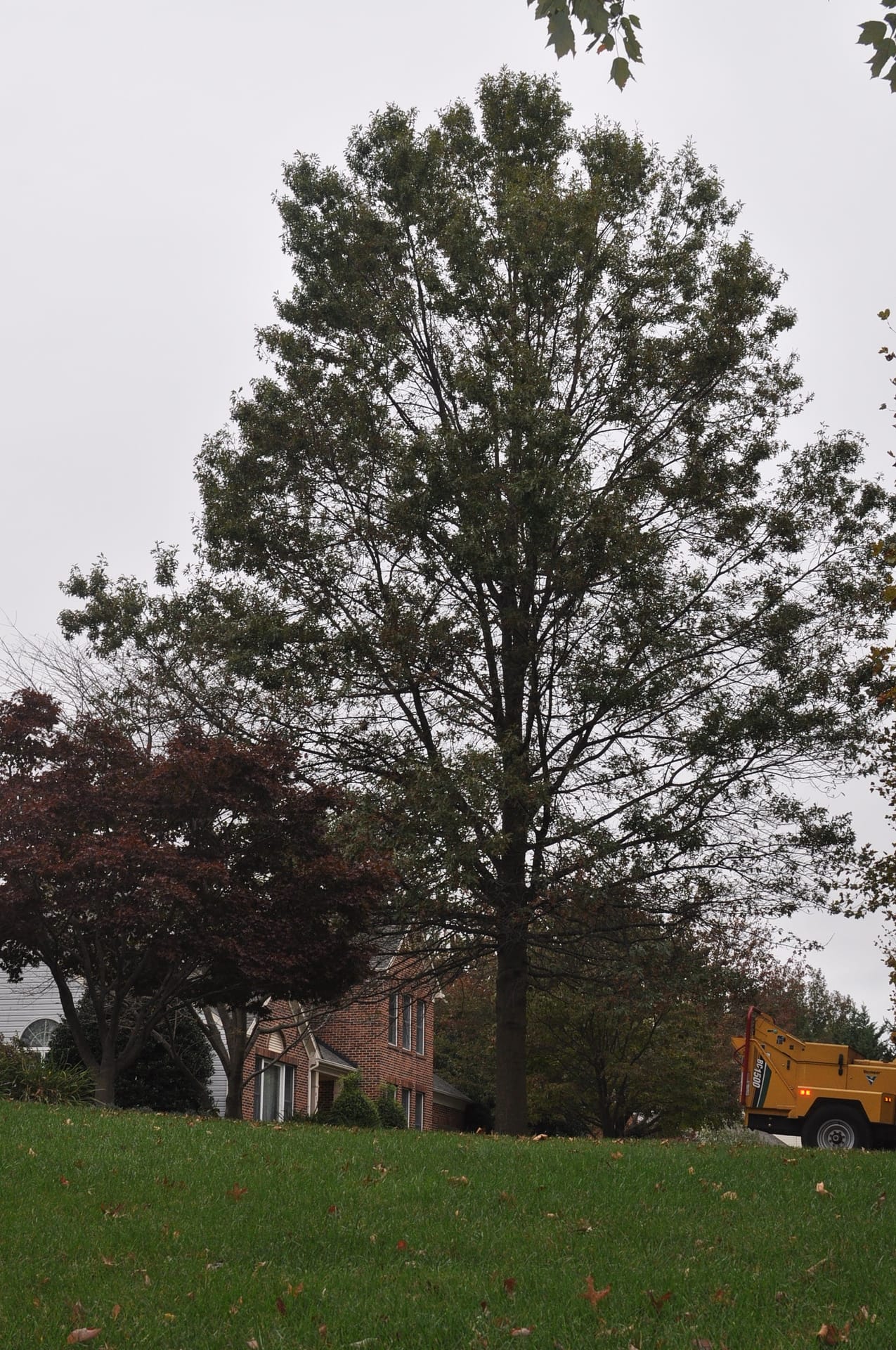
Maryland is home to some of the most beautiful and diverse tree canopies on the East Coast, and keeping them that way takes knowledge, attention, and the right kind of care. Invasive insects, fungal diseases, and the effects of drought stress are among the challenges our region’s trees are quietly contending with each season. At Ed’s Tree Service, we’ve spent nearly 40 years working alongside Maryland homeowners and we believe that an informed property owner is the best first line of defense. Here’s what we’re seeing in the field, and what it means for the trees on your property.
Why Tree Health Matters: What Maryland Tree Experts See Every Season
Trees are long-term investments in your property, your comfort, and your community. When disease or structural failure goes undetected, the consequences extend well beyond aesthetics. A compromised tree can become a serious safety hazard, threatening your home, your vehicles, and the people you care about. As Maryland tree experts with nearly four decades of experience across the region, we see these situations regularly, and we know how often they could have been prevented.
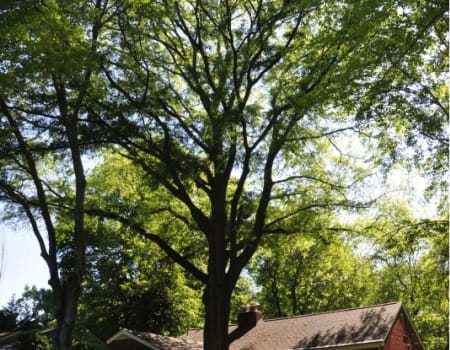
The encouraging truth is that most threats are far more manageable when identified early. According to the International Society of Arboriculture (ISA), proactive tree risk assessment is one of the most effective tools available for preventing tree failure and protecting residential property. Knowing what to look for is the first step.
The Biggest Tree Health Threats Our Maryland Tree Care Service Is Seeing Right Now
Spotted Lanternfly: The Invasive Pest Spreading Across Maryland
The spotted lanternfly has established itself firmly in Maryland, and its impact on the local tree canopy is growing each season. This invasive species feeds on tree sap across a wide range of hosts including maples, oaks, walnuts, and fruit trees, steadily sapping their vigor and leaving them vulnerable to secondary stressors. The Maryland Department of Natural Resources Forest Health Program actively monitors spotted lanternfly activity statewide and encourages residents to report sightings as part of a coordinated regional response.
A single infestation may not be fatal, but the cumulative toll of repeated feeding seasons, especially in trees already weakened by drought or disease, can be severe. If you’re noticing a sticky residue on bark or surrounding surfaces, or gray waxy egg masses clustered on your trees, contact a Maryland tree care service promptly. Early reporting and intervention are the most powerful tools we have.
Oak Wilt: A Fast-Moving Threat to Maryland Trees
Oak wilt ranks among the most destructive tree diseases in the eastern United States, and it is advancing steadily through the mid-Atlantic. Caused by a fungal pathogen that disrupts a tree’s vascular system, it spreads both through interconnected root systems and via sap-feeding beetles that carry fungal spores from tree to tree. The USDA Forest Service has identified oak wilt as one of the most serious threats to oak populations across the region, with its range continuing to expand.
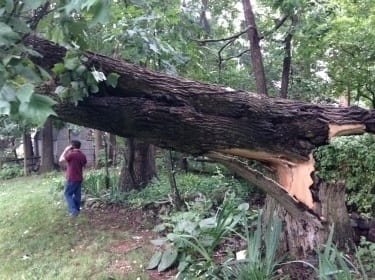
Red oaks are particularly susceptible and can decline fatally within a matter of weeks following infection. White oaks generally show greater resistance but are by no means immune. Warning signs include browning that begins at leaf margins and works inward, premature defoliation, and a wilting upper canopy. If you have oaks on your property and something appears off, reaching out to a professional tree service in MD sooner rather than later can make a critical difference.
Emerald Ash Borer: Why Maryland Tree Experts Are Still Watching Closely
The emerald ash borer may no longer be headline news, but its destruction of Maryland’s ash tree population is far from over. This small metallic-green beetle deposits its larvae beneath the bark, where they feed on the vascular tissue responsible for transporting water and nutrients throughout the tree. Decline is gradual and often goes unnoticed until the tree has sustained significant internal damage. The Maryland Department of Natural Resources confirms that the emerald ash borer is now established statewide, affecting ash trees across both urban neighborhoods and rural landscapes.
Drought Stress and Root Disease: A Hidden Combination Facing Maryland Trees
The increasingly variable weather patterns Maryland has experienced in recent years have created conditions that are quietly taxing for trees. Periods of drought compromise a tree’s natural defenses, and a weakened tree becomes significantly more susceptible to opportunistic pathogens. Chief among these is Armillaria root rot, commonly known as honey fungus, a soil-borne disease that the USDA Forest Service identifies as one of the most widespread root diseases in North America.
Frequently Asked Questions for Maryland Homeowners
How do I know if my tree is sick or just going through seasonal changes?
If your tree is exhibiting leaf loss, discoloration, or branch failure outside of its normal seasonal rhythm, it warrants a closer look. Disease and pest damage tend to appear as irregular or asymmetrical symptoms, such as one section of the canopy declining while the rest remains healthy, or leaves dropping during the height of summer without any apparent cause. According to the International Society of Arboriculture (ISA), regular visual assessments by a qualified arborist are the most reliable way to distinguish normal tree behavior from early indicators of disease or structural compromise.
What should I do if a diseased tree falls or becomes an immediate hazard?
If a tree falls or poses an imminent danger to your home or family, call an emergency tree service in MD immediately and keep everyone at a safe distance. Downed trees are far more hazardous than they appear, particularly when limbs are under tension or structural weight is unevenly distributed. The Tree Care Industry Association (TCIA) is clear that hazardous tree work must be handled exclusively by trained professionals operating under ANSI A300 safety standards. Ed’s Tree Service provides emergency tree service throughout Maryland and the DC area, with experienced crews available when the situation demands an immediate response.
Can a sick tree be saved, or does it always need to be removed?
Removal is not always the answer, and at Ed’s Tree Service, preservation is always our first consideration when it is safe and feasible. The appropriate course of action depends on the nature and severity of the disease, the species involved, and the tree’s proximity to structures and people. The Mid-Atlantic Chapter of the ISA (MAC-ISA) offers regional guidelines that help qualified arborists weigh these factors and determine whether intervention, corrective pruning, or removal best serves the long-term health of the landscape.
How often should I have my trees professionally evaluated?
Most trees benefit from professional attention at least once per year, with more frequent evaluation recommended for older specimens, trees with a history of disease, or any tree positioned near a structure. The USDA Forest Service emphasizes that early detection through routine monitoring is one of the most impactful strategies for reducing the risk of tree failure and improving treatment outcomes. Our Maryland tree experts at Ed’s Tree Service are available to evaluate the trees on your property and provide honest, straightforward guidance on what they need.
Connect with Ed’s Tree Service: Maryland’s Trusted Tree Care Experts
Nearly four decades of serving Maryland and DC homeowners has taught us that the best outcomes start with a simple conversation. Whether you have a specific concern or just want a professional set of eyes on your property, our team at Ed’s Tree Service is here to help. As a family-owned, woman-owned Maryland tree care service, we take pride in the trust our clients place in us and the landscapes we help protect.