Most tree problems do not announce themselves loudly. They build quietly over months, and by the time something looks obviously wrong, the damage is often already done. Whether you have oaks, maples, elms, or anything else on your property, here is what Maryland homeowners should know about tree trimming in 2026.
1. When Is the Best Time to Trim Trees in Maryland?
For most trees in Maryland, late winter or early spring, just before new growth begins, is the best window for trimming. Trimming during dormancy reduces stress on the tree, limits exposure to pests and disease, and makes it easier for arborists to assess the branch structure without leaves blocking the view.
Timing also depends on species. Some flowering trees do better trimmed right after they bloom. Dead, damaged, or hazardous branches should be removed any time of year, regardless of season, without waiting for the optimal window.
2. What Is the Difference Between Trimming and Pruning?
Trimming and pruning are often used interchangeably, but they serve different purposes. Trimming is primarily about managing size and shape, keeping a tree from encroaching on structures, power lines, or neighboring properties. Pruning is more targeted: it removes specific branches to improve the tree’s health, structure, or long-term safety.
A professional tree care company in Maryland will assess your tree first and recommend the right approach based on what the tree actually needs, rather than a default service.
3. How Do You Know If a Branch Needs to Come Down?
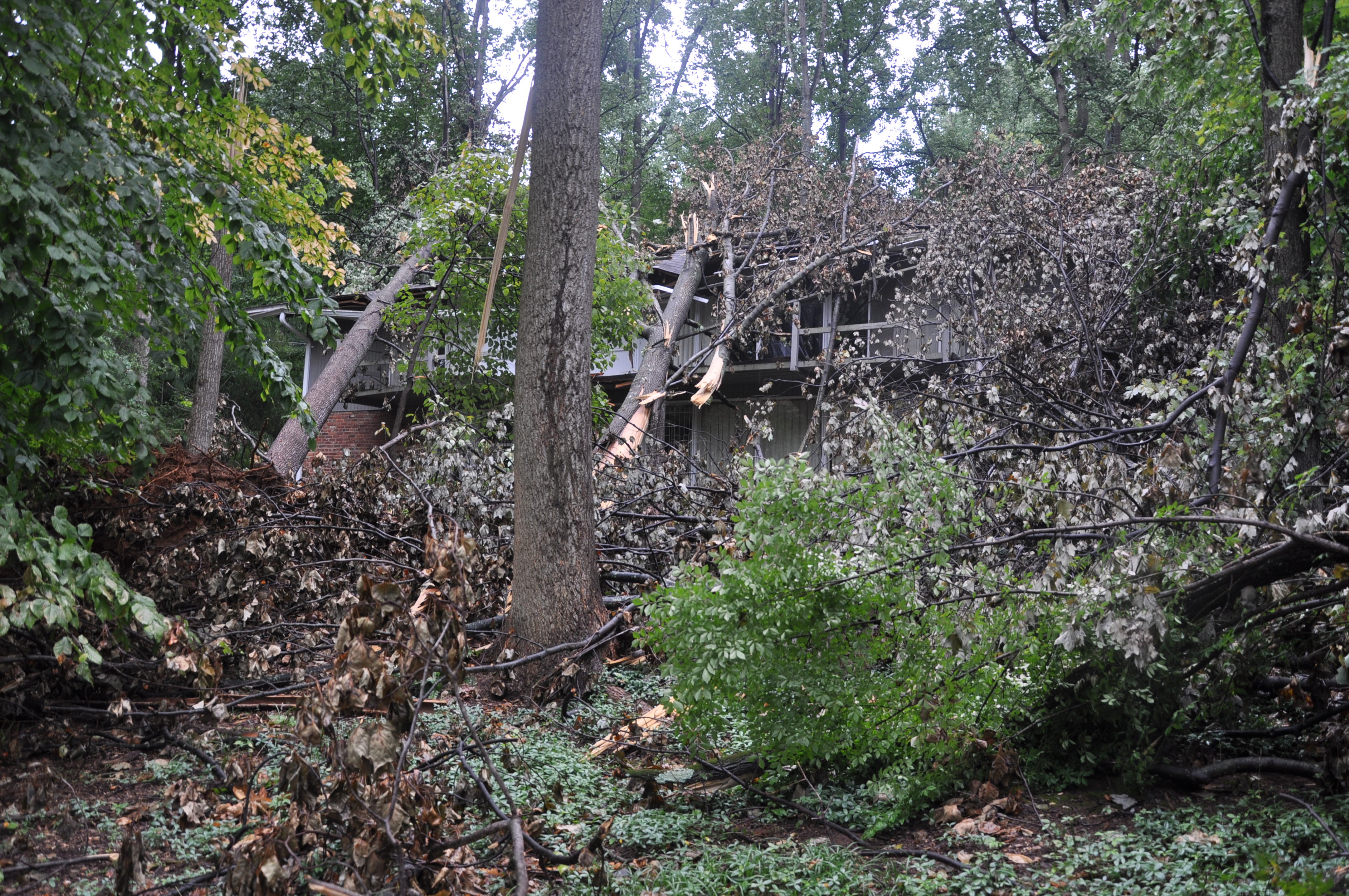
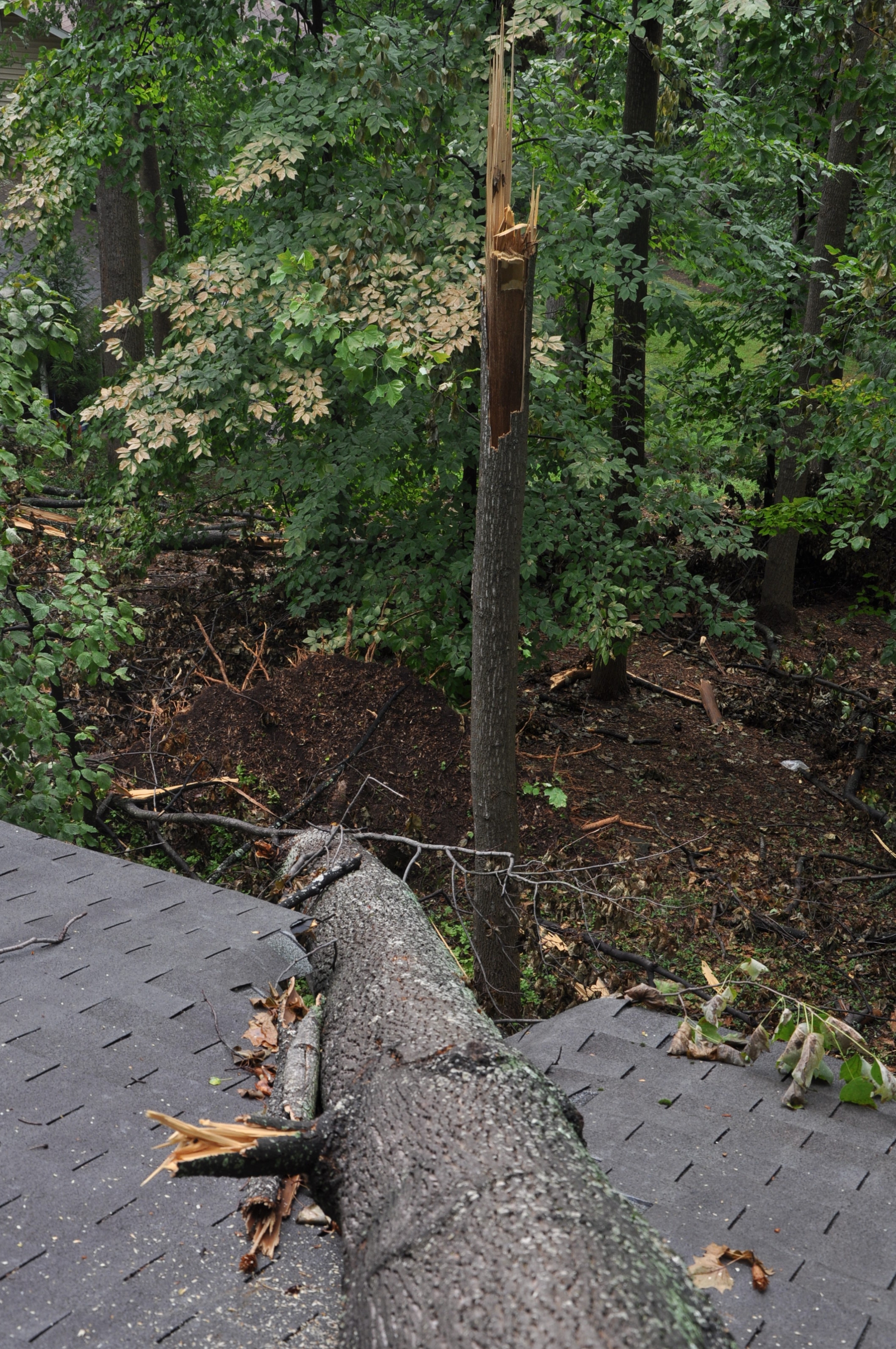
Look for branches that are dead, visibly decayed, cracked, or crossing and rubbing against other limbs. Hanging or partially broken branches, sometimes called widow makers, are a safety concern even if the rest of the tree looks healthy. Branches growing toward a roofline, fence, or utility line should be flagged for a professional assessment before the next storm season.
A qualified arborist should evaluate any branch showing signs of structural weakness, disease, or unusual growth patterns before trimming work begins.
4. Why Does Improper Trimming Do More Harm Than No Trimming at All?
Topping a tree, which means cutting the main leader or large primary branches back to stubs, is one of the most damaging cuts you can make. It creates large open wounds, triggers weak regrowth, and puts serious stress on the tree’s vascular system. Both the Tree Care Industry Association (TCIA) and the ISA identify topping as a harmful practice that shortens a tree’s life and increases long-term hazard risk.
Hiring a professional tree trimming service in Maryland means the work follows ANSI A300 standards, the industry benchmark for proper tree care technique. That matters both for the tree’s health and for your liability as a property owner.
5. Can You Trim a Tree Yourself, or Should You Call a Professional?
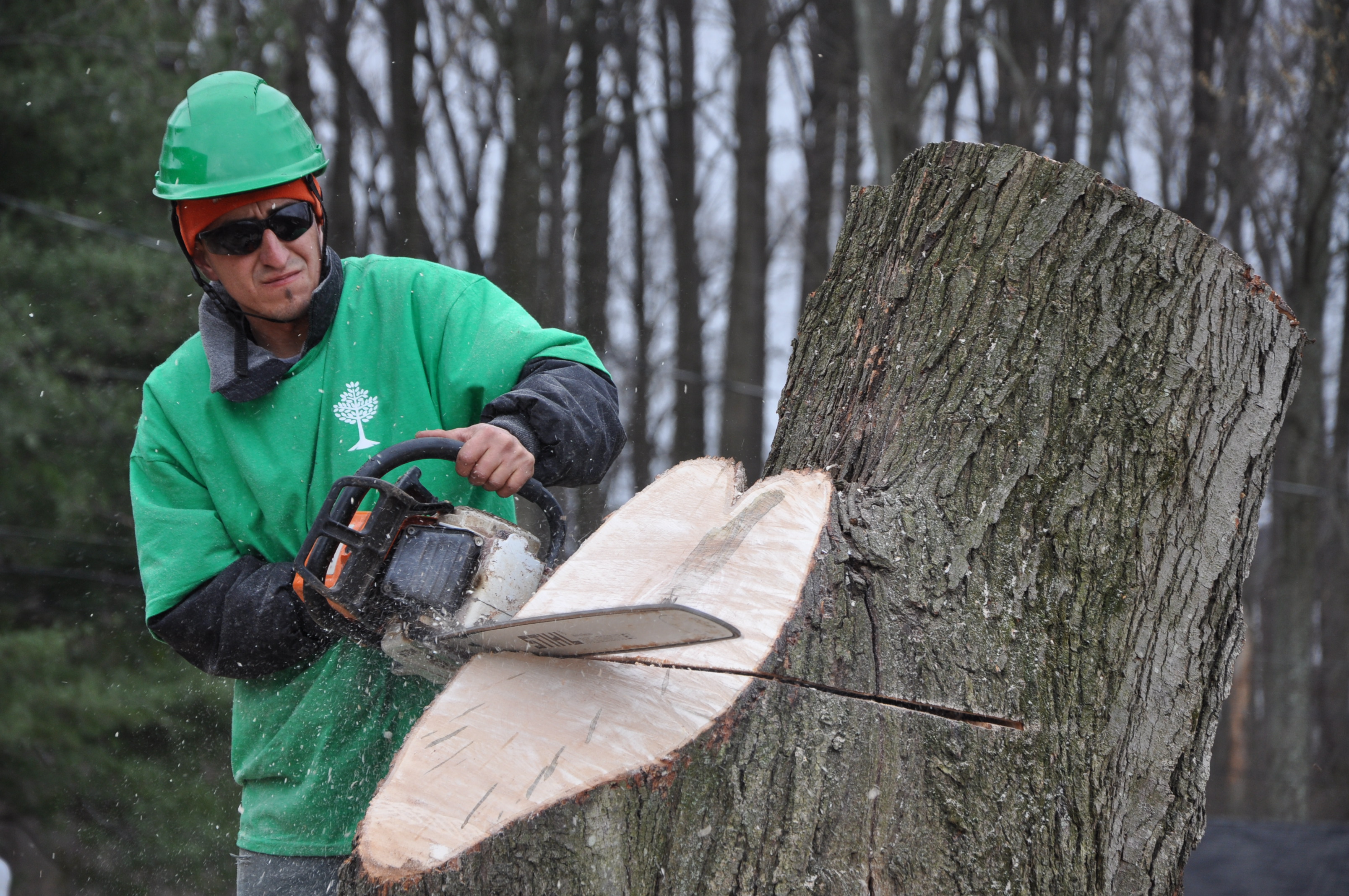
Small branches on young or low-growing trees can often be handled carefully by a homeowner with the right tools. Anything above ground level, near a structure, or on a mature tree is a different situation. Tree work carries real risk without proper equipment and training, and that risk increases significantly the closer you get to a roofline or power line.
If a branch is thick enough to require a chainsaw, or if it sits anywhere near a structure or utility line, call a licensed tree service. The cost of professional trimming is a fraction of the cost of property damage or a trip to the emergency room.
6. How Often Should Homeowners Schedule Maryland Tree Trimming in 2026?
Most mature trees benefit from a professional inspection and trimming on a regular cycle, though how often depends on species, age, and condition. Fast-growing trees generally need more frequent attention than slower-growing ones.
A Maryland tree care service can assess your specific trees and recommend a maintenance schedule based on species, age, location, and condition, rather than a one-size-fits-all calendar.
Schedule Your Tree Trimming Estimate in Maryland
Ed’s Tree Service has been caring for trees in Maryland and the DC area since 1987. We are licensed, insured, and bring nearly 40 years of hands-on expertise to every job. If your trees are due for trimming or you are not sure where to start, we offer free estimates with no pressure and no obligation.
Call Ed’s Tree Service today to talk about what your trees need and how tree trimming in Maryland can help.
Key Takeaways
- Late winter to early spring is the optimal trimming window for most Maryland trees, but dead or hazardous branches should come down any time of year.
- Trimming and pruning serve different purposes. A professional assessment determines which approach is right for your tree.
- Topping causes long-term damage. All work should follow ANSI A300 standards.
- Fast-growing species typically need more frequent attention than slower-growing trees.
Frequently Asked Questions About Tree Trimming in Maryland
Is it okay to trim a tree in the summer?
Light trimming and the removal of dead or damaged branches is generally fine in summer. Heavy pruning is not recommended during peak growing season because it stresses the tree and can make it more vulnerable to pests and disease entering through open wounds. Summer trimming is generally best limited to corrective or safety-related work rather than major structural cuts.
How much does tree trimming cost in Maryland?
Cost varies based on tree size, species, location, and the scope of work. We recommend getting a written estimate from a licensed and insured tree service before any work begins. Ed’s Tree Service offers free estimates with no obligation.
Do I need a permit to trim trees in Maryland?
Permit requirements vary by county and municipality. Some jurisdictions in the DC metro area have ordinances protecting certain tree species or sizes. Your local arborist can help you navigate local requirements, or you can check directly with your county’s forestry or environmental services department.
What credentials should I look for when hiring a tree trimming service in Maryland?
Look for a company that holds a Maryland tree service license, carries liability insurance and workers compensation coverage, and employs certified arborists. The ISA maintains a public directory of certified arborists at isa-arbor.com so you can verify credentials before hiring.
Sources
- International Society of Arboriculture (ISA): isa-arbor.com
- Tree Care Industry Association (TCIA) — ANSI A300 Standards: treecareindustryassociation.org