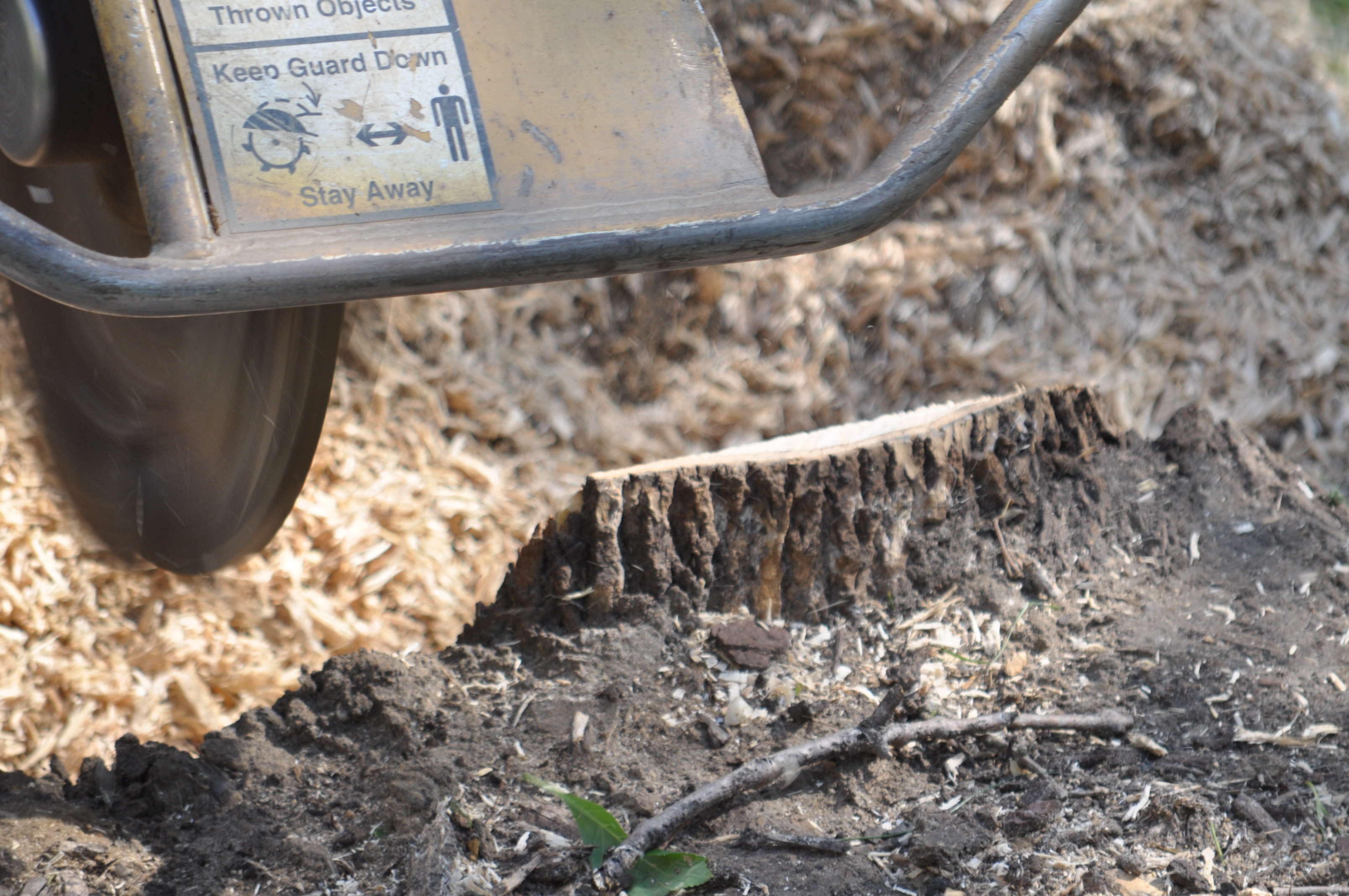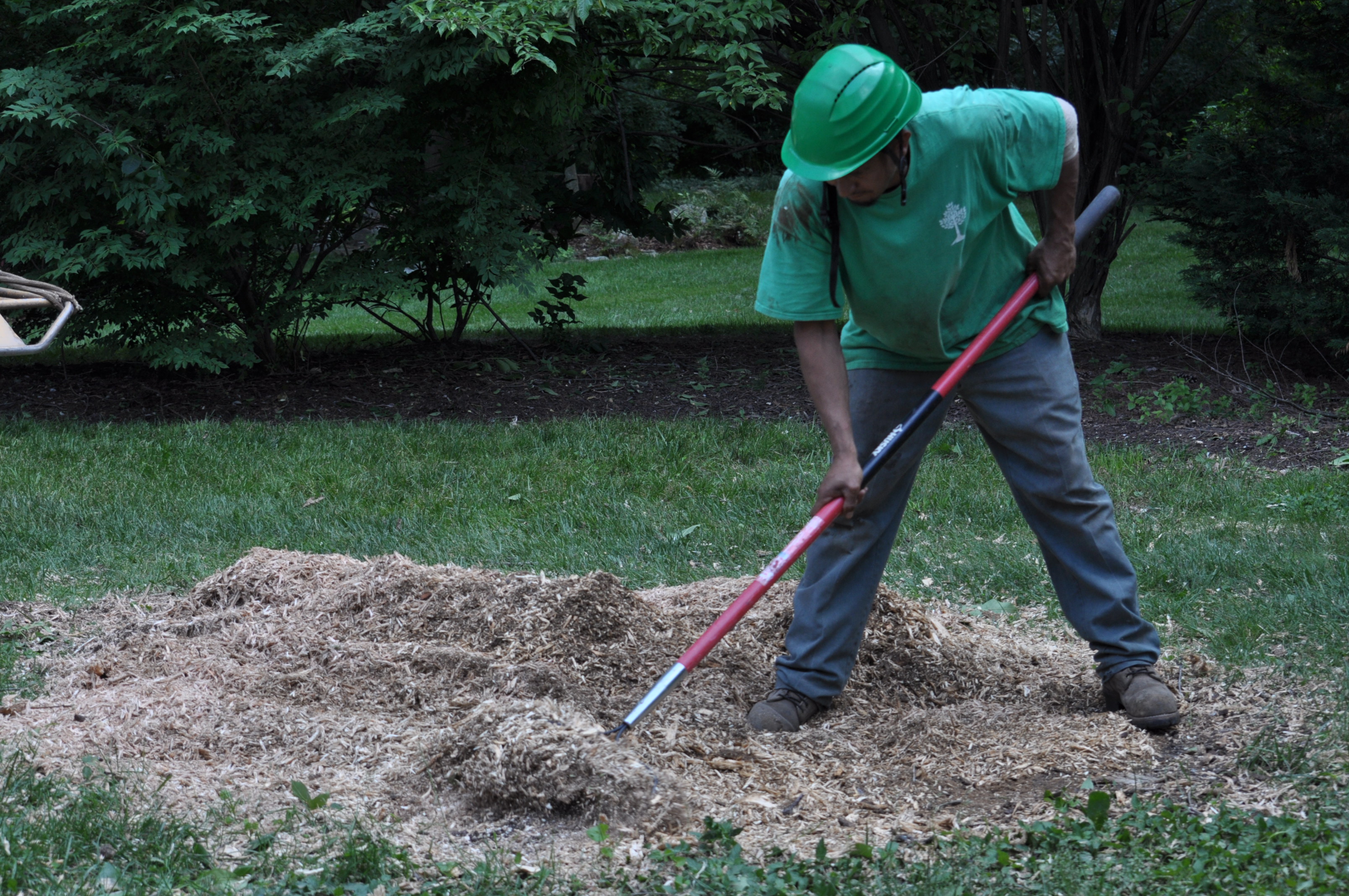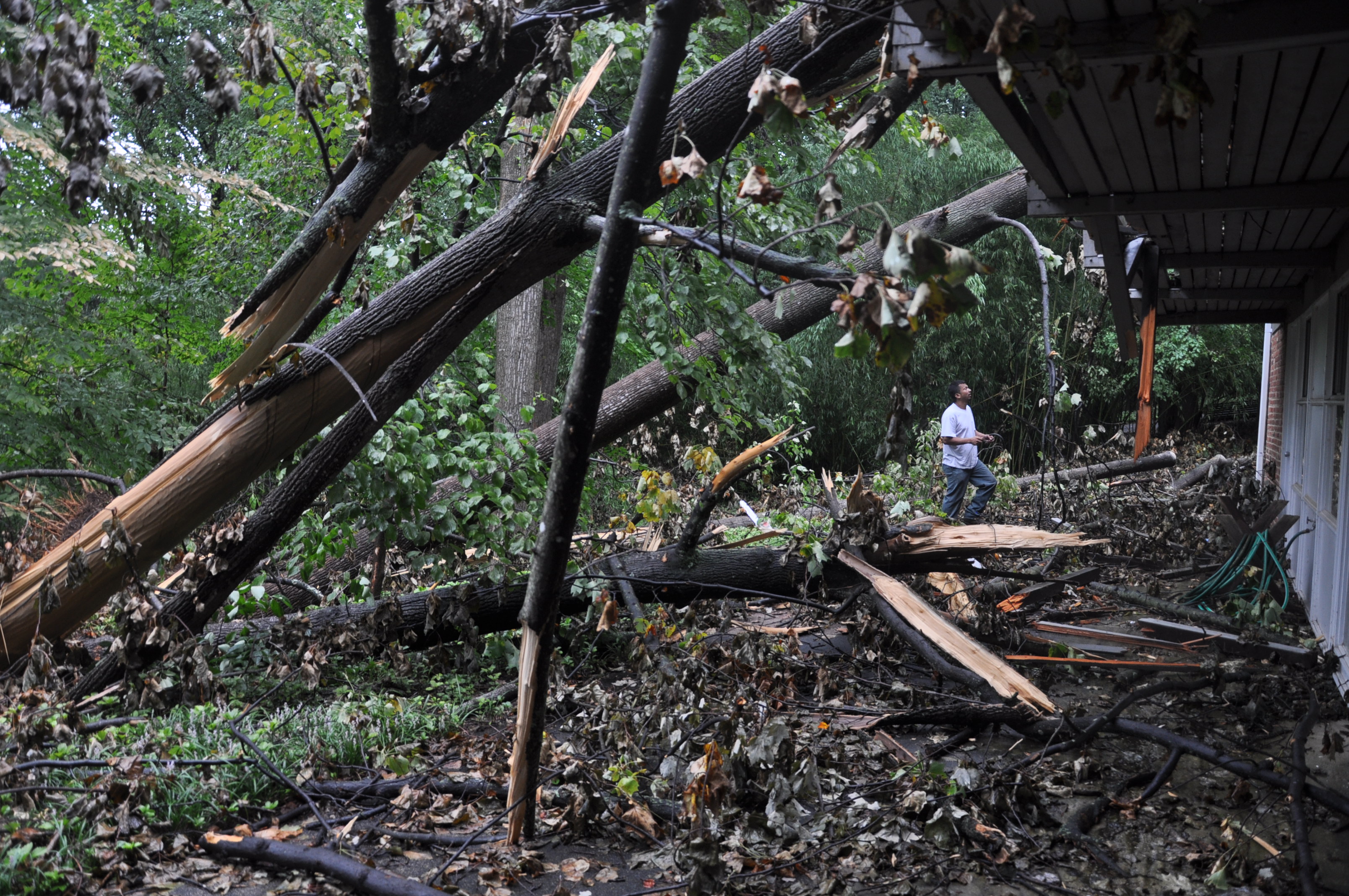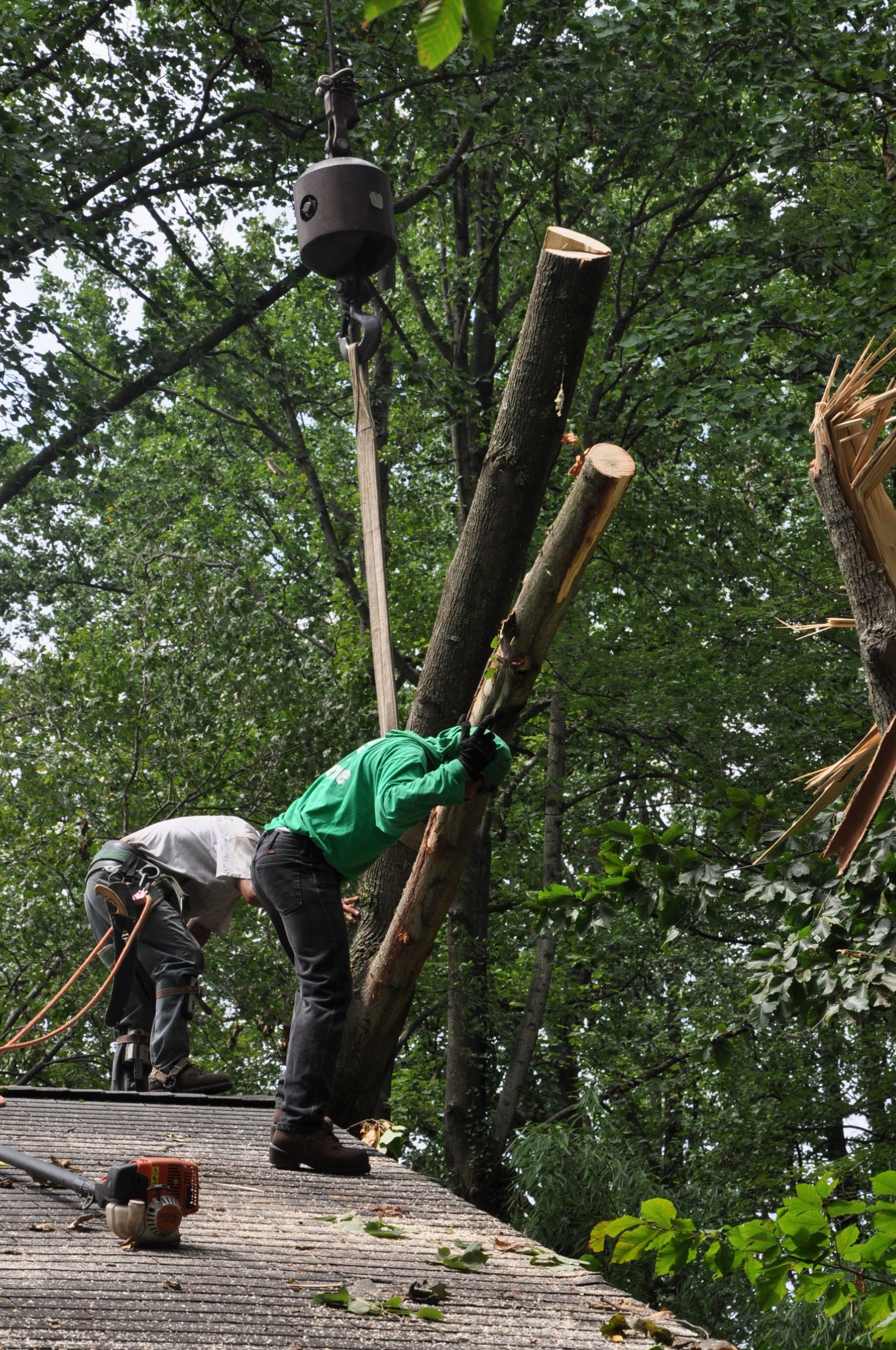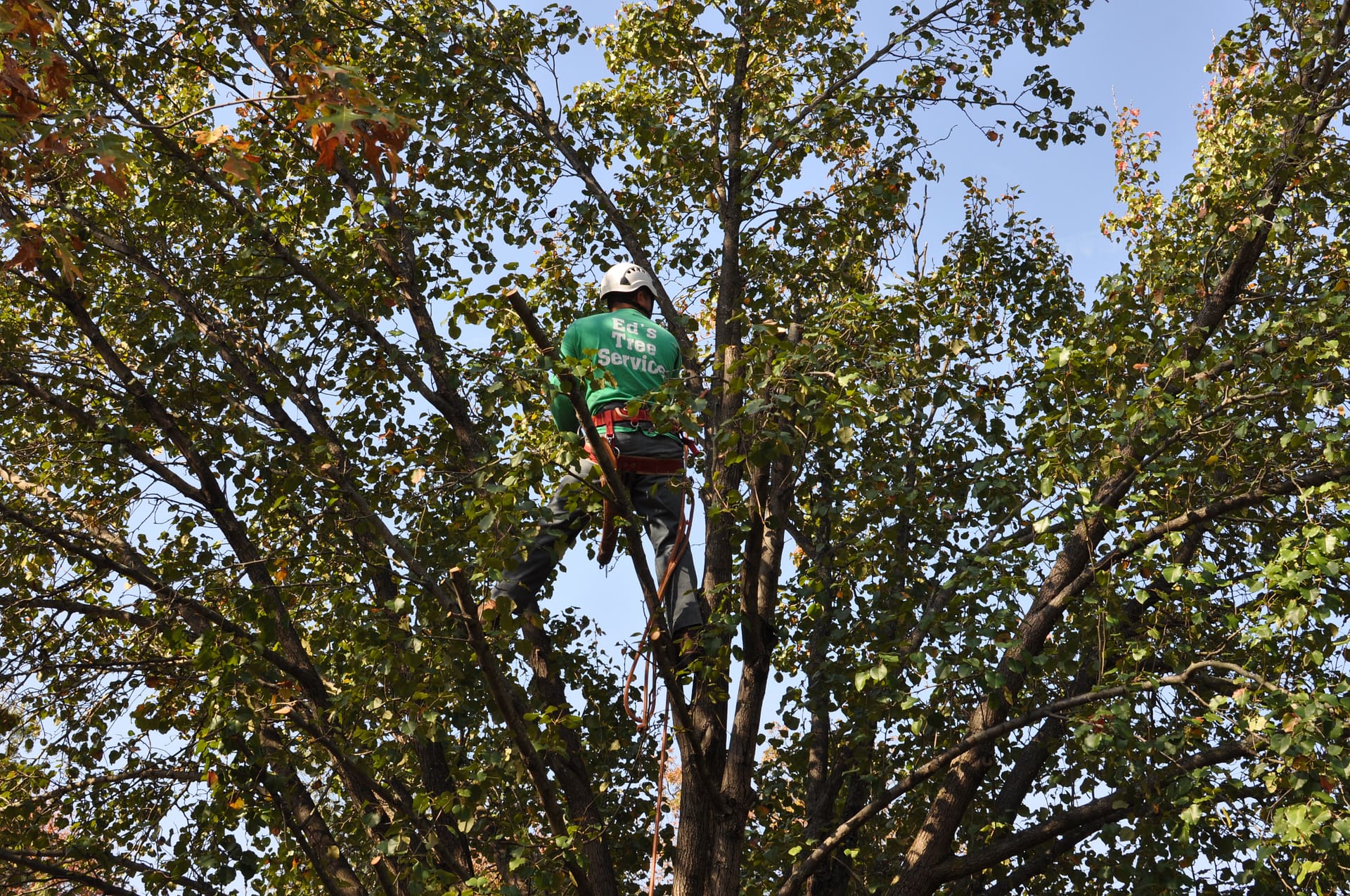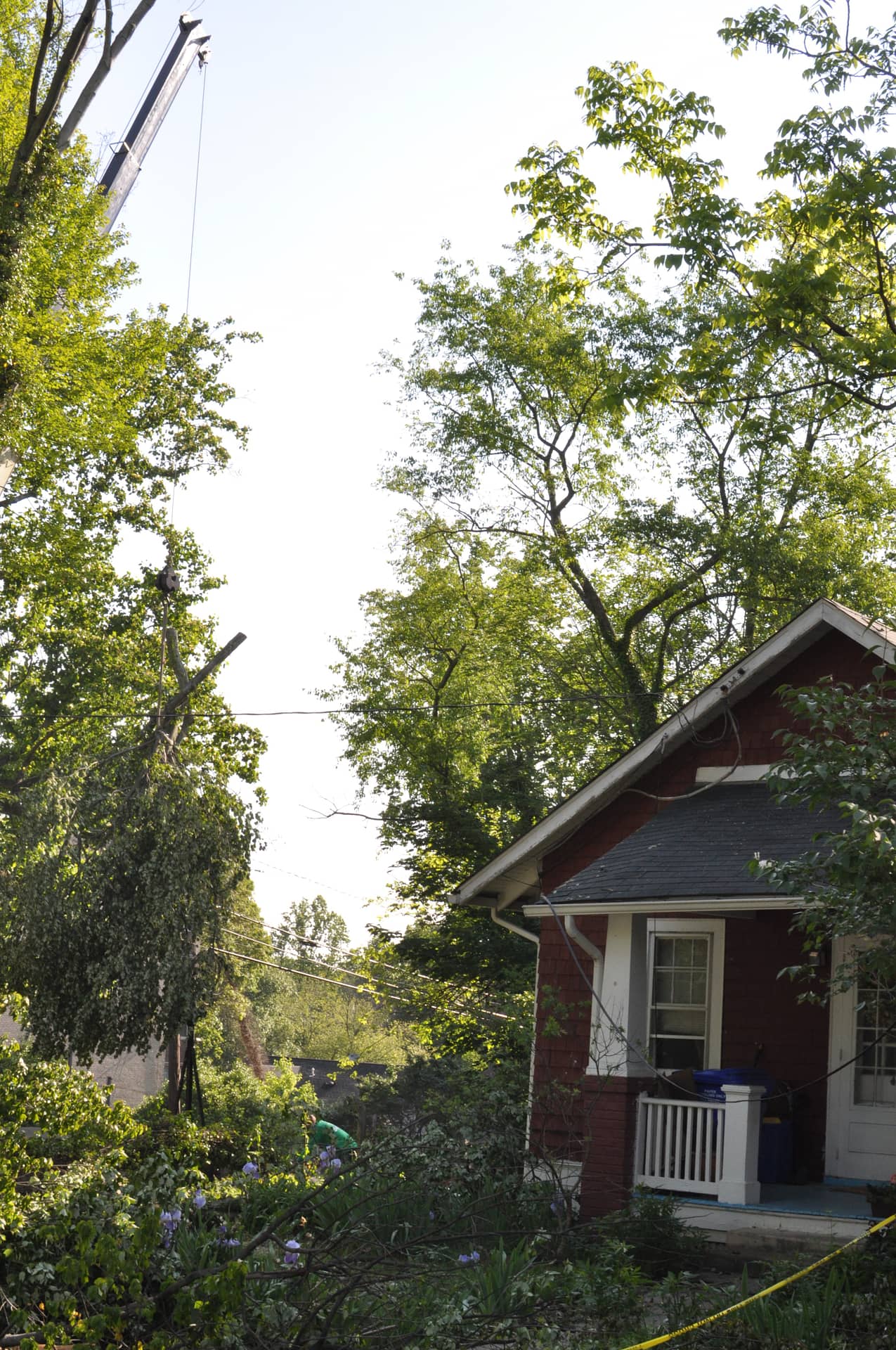
Fireworks and trees are a risky combination. Before you light anything this Fourth of July, it’s important to take a walk around your property to identify any fire or fall risks. If you already know you have a dead or hazardous tree and have been putting off tree removal services in Maryland, the week before the Fourth is the time to act. This post covers what to look for before the holiday, what fireworks can actually do to nearby trees, and what to do the morning after if something does not look right.
What Homeowners Should Know About Tree Removal Services in Maryland Before July 4th
It is easy to think of trees as fireproof. They are not. Dead wood ignites quickly, and even living trees with dry surface bark or accumulated debris in their canopy can catch a stray ember and hold it. According to the National Fire Protection Association (NFPA), fireworks caused an estimated 31,302 fires in the United States in 2022, and a significant share of those were brush, grass, or forest fires, not structure fires.
In Maryland, July tends to bring high heat, low humidity, and stretches without significant rainfall. That combination turns dry leaves, dead branches, and accumulated debris in tree canopies into kindling. A spark that travels 50 feet from a backyard launch can land in an overhanging branch and smolder before anyone notices.
Dead or structurally compromised trees add another layer of risk. A tree that is already stressed, rotting, or dying does not need fire to become dangerous. The added activity, vibration, and pressure from nearby aerial fireworks can be enough to bring down a weakened limb.
Before the Fourth: Why a Tree Pruning Service in MD Is Worth the Call
A quick pre-holiday walk around your property takes 20 minutes and can prevent a much bigger problem. If you are unsure about any tree, scheduling a tree pruning service in MD before the holiday is one of the smartest things you can do. A certified arborist can identify hazardous branches, clear dead wood from the canopy, and tell you whether anything needs to come down entirely before the weekend. Here is what to look for on your own in the meantime.
 Dead or hanging branches. Look for limbs with no leaves, dry and brittle bark, or branches that are visibly detached but still suspended in the canopy. These are called widow-makers for a reason, and they are a fire and fall risk.
- Accumulated debris in the canopy. Dry leaves, broken twigs, and dead wood caught in branches give sparks something to land on. If you can see debris clusters from the ground, take note.
- Low-hanging branches near your launch area. If you plan to use consumer fireworks, be honest about clearance. The NFPA recommends keeping a minimum clear radius around any launch site, and low-hanging canopy cuts that margin quickly.
- Stressed or leaning trees near gathering areas. A tree that is already compromised does not need much provocation. Look for visible lean that is new, cracks at the base of the trunk, or soil heaving around the roots.
- Dry mulch beds under or near trees. Mulch can hold a spark and transfer it to surface roots or nearby vegetation. Wet it down before any backyard display.
A professional can tell you quickly whether a branch needs to come down or whether a tree is stable enough to have people gathered near it.
What Fireworks Actually Do to Trees
Most tree damage from fireworks falls into two categories: fire damage and physical impact.
- Fire damage ranges from scorched bark on the exterior to smoldering internal decay if embers find an entry point through a wound, crack, or hollow section. Surface burns may look minor but can kill the cambium layer just beneath the bark, which is the living tissue the tree depends on to move water and nutrients. A tree can look alive for weeks after that damage and still be dying.
- Physical impact is less common but worth knowing. Larger consumer fireworks and misfire situations can send debris into a canopy with enough force to crack branches or strip bark. That kind of wound opens a tree to disease and insect infestation long after the holiday is over.
Fireworks debris, including casing fragments and unexploded material, also ends up in canopy and on the ground around trees. Left in place, it can interfere with soil health and create a hazard for anyone walking the property afterward.
The Morning After: MD Emergency Tree Removal is One Call Away
If you used fireworks near trees, or your neighbor did, a walk-around the next morning is worth the time. In some cases, what you find may call for emergency tree services to remove a scorched or structurally compromised branches or tress before it becomes a hazard. Here is what to check.
- Scorched bark or blackened areas on the trunk or branches. Even a small burn area deserves attention. Note the location and size and call an arborist if it is larger than a few inches or if it encircles any part of the branch or trunk.
- Wilting or discolored foliage in a specific section of the canopy. Localized wilting that appears within a few days of the holiday can indicate heat or fire damage to a branch system.
- Debris lodged in the canopy. Firework casings and fragments can be heavy enough to crack branches over time. If you can safely see debris from the ground, flag it for removal.
- An unfamiliar smell near a tree. A persistent burnt or smoky smell around a tree after the holiday can mean smoldering material is still present inside a hollow section or at the base.
When in doubt, call. Catching damage early gives the tree a better chance of recovery and keeps your property safer through the rest of the summer.
When to Call A Professional Tree Service Company in MD
If you have a dead or dying tree anywhere near where your family gathers for the Fourth, that tree should be the priority before the holiday. Dead trees lose structural integrity progressively and unpredictably. They do not announce when they are about to fail.
A dead tree near a fireworks launch area is a compounded problem. It is a fire risk, a fall risk, and a liability. According to the Insurance Information Institute, homeowners can be held liable for tree damage if they were aware the tree was dead or hazardous and did not take action. Maryland tree removal before a holiday weekend is not an overreaction; it is the responsible call.
Ed’s Tree Service provides emergency tree service and tree removal in the DC metro area.
Get a Free Estimate Before the Holiday
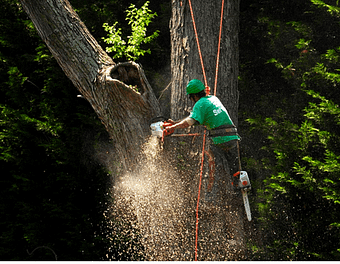
Do not wait until after something goes wrong. If you have a dead tree, a hazardous branch, or any tree you are unsure about, contact Ed’s Tree Service before the Fourth of July. We offer tree removal and tree trimming/pruning services in Maryland and DC metro area, along with emergency tree service in MD for situations that cannot wait. Our crews are licensed, and insured.
Call Ed’s Tree Service to find out if you need the help of our Maryland tree removal experts.
Key Takeaways
- Dead and stressed trees near gathering areas should be assessed before July 4th and removed if necessary.
- Scheduling a tree pruning service in MD before the holiday is one of the best ways to reduce fire and fall risk in your yard.
- Fire and physical damage from fireworks may not be visible immediately. A post-holiday inspection is worth the time.
- Always verify that any tree service company you hire carries liability insurance and workers’ compensation before scheduling work.
Frequently Asked Questions
Can fireworks actually start a tree on fire?
Yes. Dead wood and dry debris in a tree’s canopy can ignite from a stray spark. Living trees are less likely to catch, but surface bark and accumulated dry material in the canopy still present a real risk during a dry July.
How far should fireworks be from trees?
The National Fire Protection Association advises using consumer fireworks only in wide open spaces away from trees, dry grass, and structures. The specific clearance depends on the type of firework, but overhanging canopy is always a hazard. When in doubt, choose a different location.
What does fire damage look like on a tree?
Scorched or blackened bark is the most obvious sign. More subtle damage includes localized wilting in the days after the holiday, a persistent burnt smell near the trunk, or entry points where embers may have lodged in cracks or wounds.
How do I know if a tree is dead or just stressed?
Dead trees typically have no leaves during the growing season, brittle branches that snap rather than bend, bark that is peeling or falling away, and no green layer visible if you scratch lightly beneath the bark. Stressed trees may still have some foliage but show thinning canopy, early leaf drop, or discoloration.
Is it legal to set off fireworks in Maryland and Northern Virginia?
Fireworks laws vary by county and municipality across Maryland and Virginia. Many jurisdictions in the DC metro area restrict or ban consumer fireworks entirely. Check with your county government before purchasing or using any fireworks this Fourth of July.
Do I need a permit for tree removal before the holiday?
Permit requirements vary by county in Maryland and Virginia. Some jurisdictions require permits for trees above a certain size or in protected areas. Ed’s Tree Service can walk you through local requirements as part of your free estimate.
Sources
National Fire Protection Association
Insurance Information Institute
International Society of Arboriculture
Maryland Department of Natural Resources