Most tree problems do not start with a cracked limb or a fallen branch after a storm. They begin slowly, with weak branch structure, overcrowded canopies, or damaged limbs that become more vulnerable over time. Proper pruning is one of the best ways to keep your trees healthy, improve their appearance, and reduce the risk of storm damage.
Whether you have mature oaks, ornamental maples, flowering cherries, or evergreen trees, here’s what homeowners should know about Maryland tree pruning in 2026.
1. What Is Tree Pruning, and Why Does It Matter?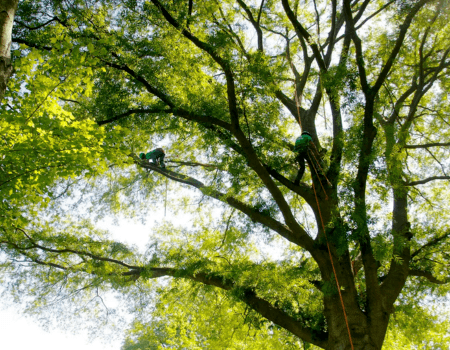
Tree pruning is more than simply cutting branches. It is the selective removal of limbs to improve a tree’s health, structural integrity, and long-term growth. Unlike trimming, which often focuses on appearance and clearance, pruning is performed with a specific purpose in mind.
Proper pruning can:
- Remove dead, diseased, or damaged branches.
- Improve airflow and sunlight throughout the canopy.
- Reduce the likelihood of branch failure during severe weather.
- Encourage healthy growth.
- Improve the tree’s natural structure.
A professional arborist evaluates each tree individually before making any cuts. Every species grows differently, and pruning techniques that benefit one tree may damage another.
If you’re considering Maryland tree pruning, working with an experienced tree care company helps ensure the right branches are removed while preserving the tree’s overall health. The International Society of Arboriculture (ISA) recommends pruning with the tree’s long-term health and structural integrity in mind rather than removing branches solely for appearance.
2. When Is the Best Time for Tree Pruning in Maryland?
For most tree species, late winter through early spring is the ideal time for pruning. During dormancy, trees experience less stress, wounds heal more efficiently once new growth begins, and arborists can clearly see the branch structure without leaves blocking their view.
That said, timing depends on the tree.
Flowering trees are often best pruned shortly after blooming to preserve next season’s flowers. Dead, broken, or hazardous limbs should always be removed as soon as they are discovered, regardless of the season.
Many Maryland homeowners assume summer is the best time to prune because storm season has arrived. In reality, major pruning during peak growing season can place unnecessary stress on healthy trees. Instead, routine maintenance should be planned proactively, while storm-related hazards should be addressed whenever they occur.
Scheduling regular tree pruning in Maryland helps reduce future risks while keeping your landscape healthy year-round. The University of Maryland Extension also recommends considering tree species and seasonal growth patterns when planning routine pruning.
3. How Does Tree Pruning Help Protect Against Maryland Summer Storms?
Maryland experiences frequent thunderstorms, heavy rainfall, high winds, and occasional tropical systems throughout the summer. While no amount of pruning can make a tree storm-proof, proper pruning can significantly reduce the chance of branch failure.
Removing weak branch attachments, dead limbs, crossing branches, and excessive weight allows the tree to better distribute wind loads during severe weather. A balanced canopy also allows wind to move more freely through the tree instead of pushing against dense clusters of branches.
Trees that have gone years without maintenance are often more susceptible to storm damage because hidden defects continue to grow unnoticed.
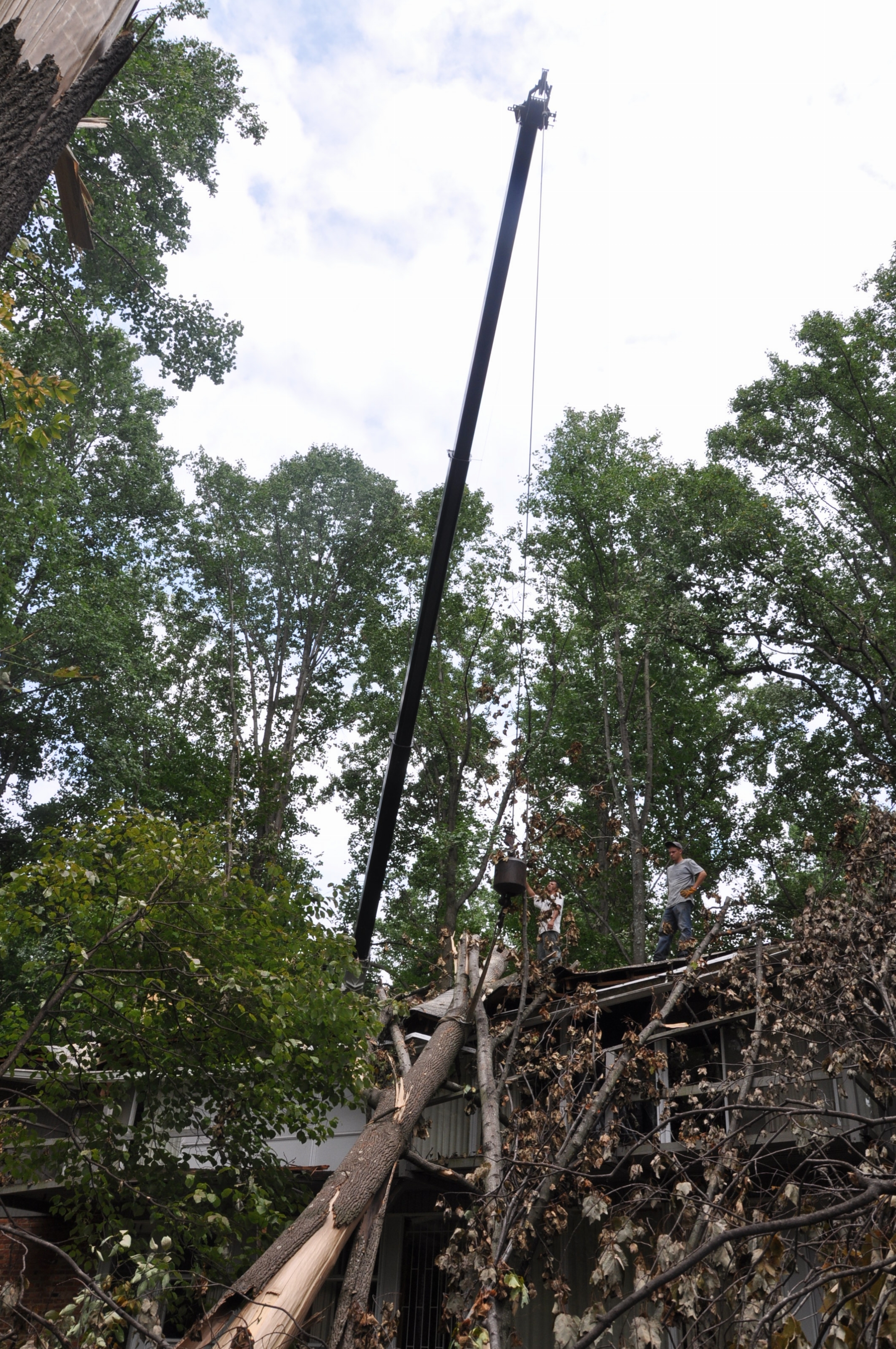
If your property contains mature trees near your home, driveway, or power lines, having them inspected before or after storm season can help identify potential hazards before they become emergencies.
Professional pruning follows industry best practices established by the ISA and the Tree Care Industry Association (TCIA). Following these standards helps protect your trees while reducing the likelihood of future property damage caused by weak or failing branches.
4. Which Branches Should Be Pruned?
Not every branch should be removed simply because it looks out of place. Strategic pruning focuses on branches that present a safety concern or interfere with the tree’s healthy development.
Common candidates for pruning include:
- Dead or dying branches.
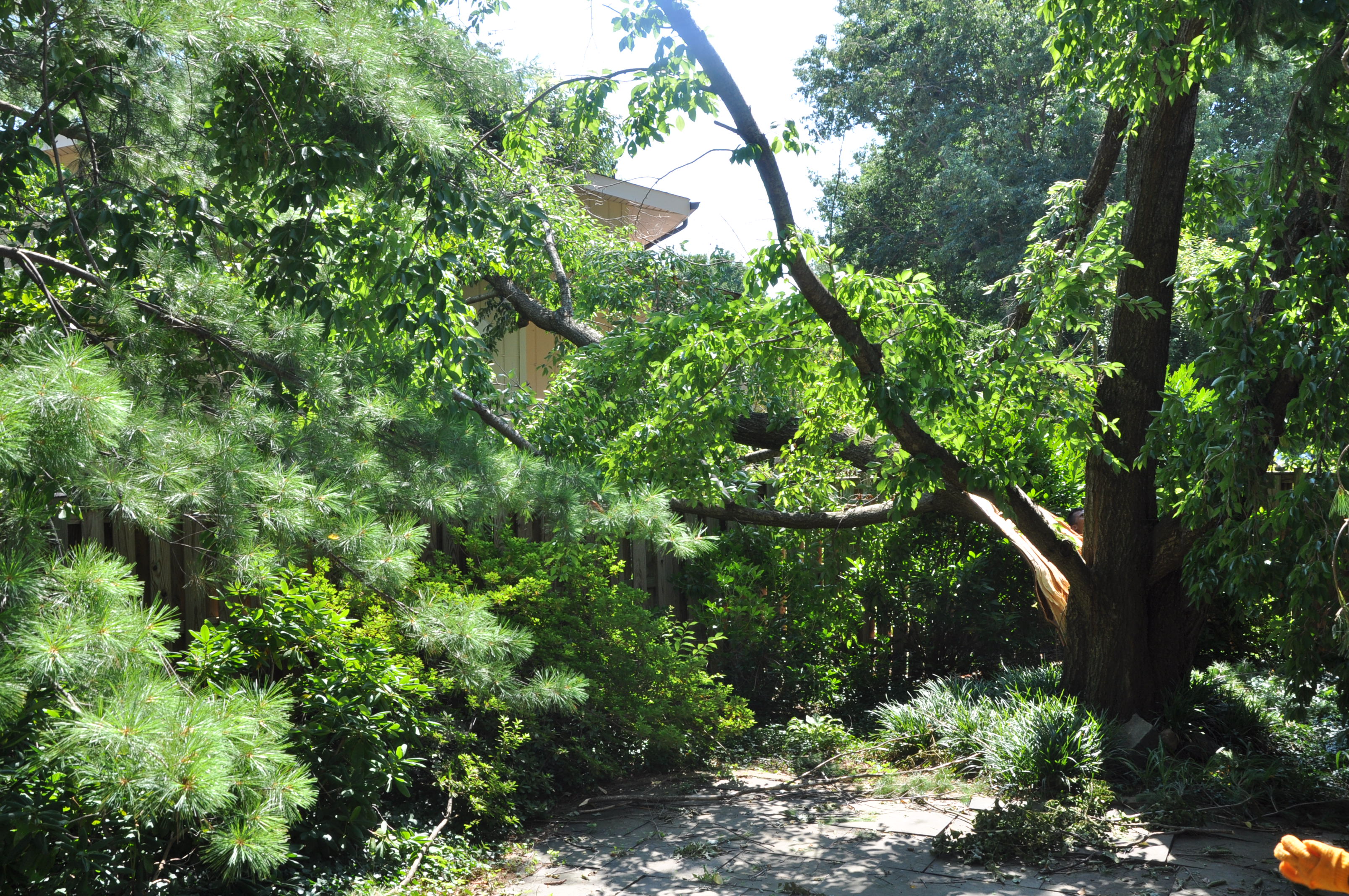
- Limbs that are cracked, split, or damaged during storms.
- Branches that cross and rub against one another.
- Limbs growing toward your home, roof, fence, or utility lines.
- Weak branch unions that are more likely to fail during high winds.
One practice homeowners should avoid is “topping” a tree. Topping removes large portions of the canopy by cutting major branches back to stubs, creating large wounds that invite decay and encourage weak, unstable regrowth. Both the International Society of Arboriculture (ISA) and the Tree Care Industry Association (TCIA) recognize topping as a harmful practice that can shorten a tree’s lifespan and increase long-term safety risks.
Instead, professional arborists make selective cuts that preserve the tree’s natural shape while improving its health and structural stability. Investing in Maryland tree pruning helps ensure every cut serves a purpose rather than causing unnecessary stress to the tree.
5. Can You Prune Trees Yourself, or Should You Hire a Professional?
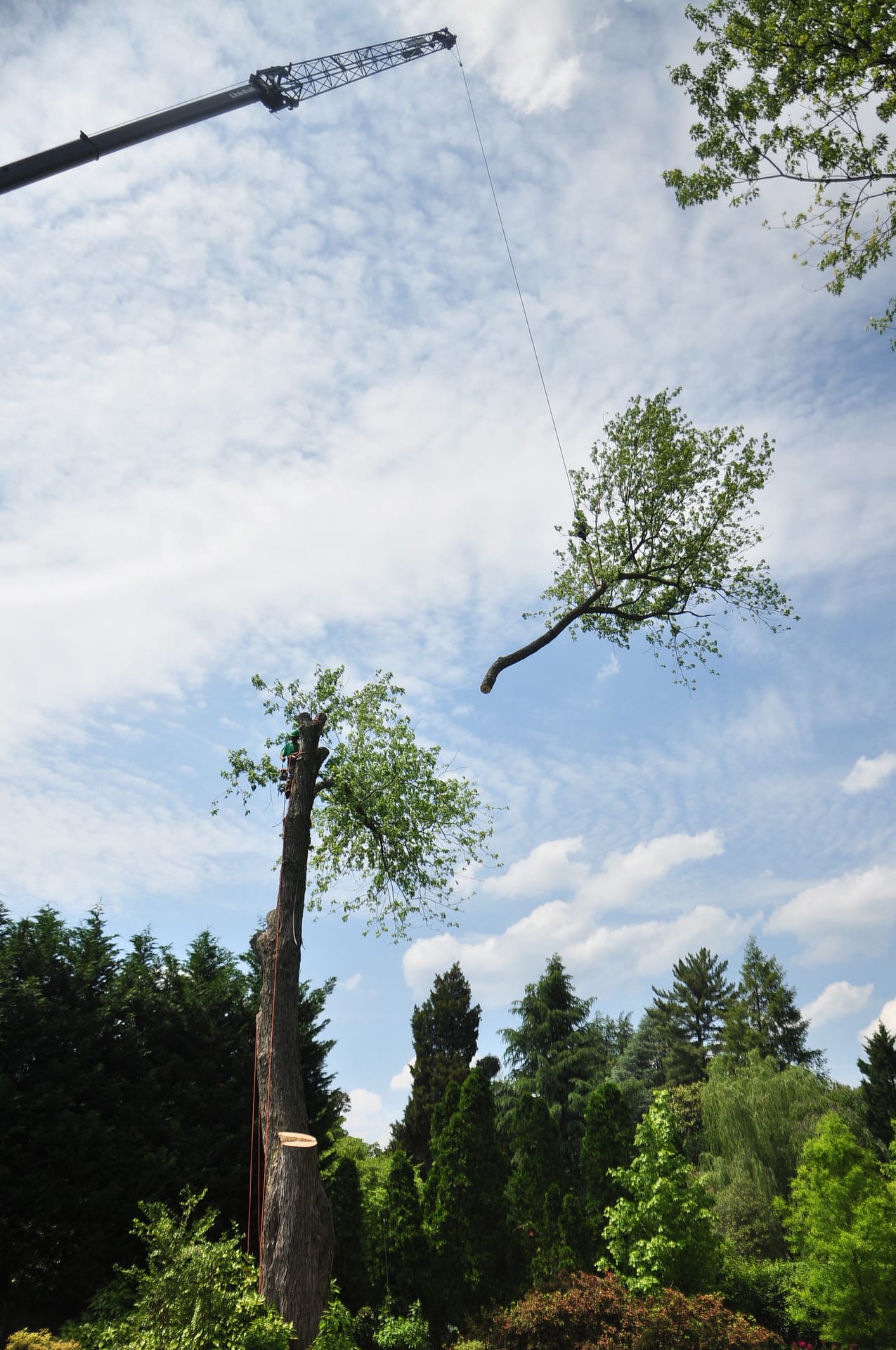
Small branches on young trees can often be pruned safely by homeowners using clean, sharp tools and proper techniques. However, once work involves mature trees, climbing, chainsaws, or branches located near structures or power lines, the risks increase significantly.
Improper pruning can permanently damage a healthy tree, while falls and falling limbs send thousands of people to emergency rooms every year. Even a seemingly simple cut can affect how a tree grows or heals if it’s made in the wrong location.
Hiring a professional for tree pruning in Maryland means the work is performed according to ANSI A300 industry standards using specialized equipment and proven pruning techniques. An experienced arborist can also identify early signs of decay, insect activity, disease, or structural weaknesses that homeowners may not notice.
If you’re unsure whether a branch poses a hazard, it’s always safer to schedule a professional evaluation before attempting the work yourself. You can also verify an arborist’s credentials through the ISA’s Find an Arborist directory.
6. How Often Should Trees Be Pruned in Maryland?
There is no universal pruning schedule for every tree. The ideal timing depends on the species, age, location, growth rate, and overall condition of the tree.
Fast-growing species often benefit from pruning every two to three years to maintain strong branch structure. Mature shade trees may only require professional attention every three to five years, while younger trees often benefit from more frequent structural pruning as they develop.
Routine inspections are just as important as pruning itself. A qualified arborist can identify developing problems before they become safety hazards and recommend maintenance based on your property’s specific trees instead of following a one-size-fits-all schedule.
Regular Maryland tree pruning improves tree health, reduces the likelihood of storm damage, and helps homeowners avoid more costly emergency tree work down the road.
Schedule Your Maryland Tree Pruning Estimate
Keep your trees healthy, safe, and ready for every season with professional pruning from Ed’s Tree Service.
Healthy trees add beauty, shade, and value to your property, but they also require ongoing care to remain safe and healthy. Whether you’re dealing with overgrown limbs, storm-damaged branches, or simply want to maintain the health of your landscape, professional pruning is one of the best investments you can make.
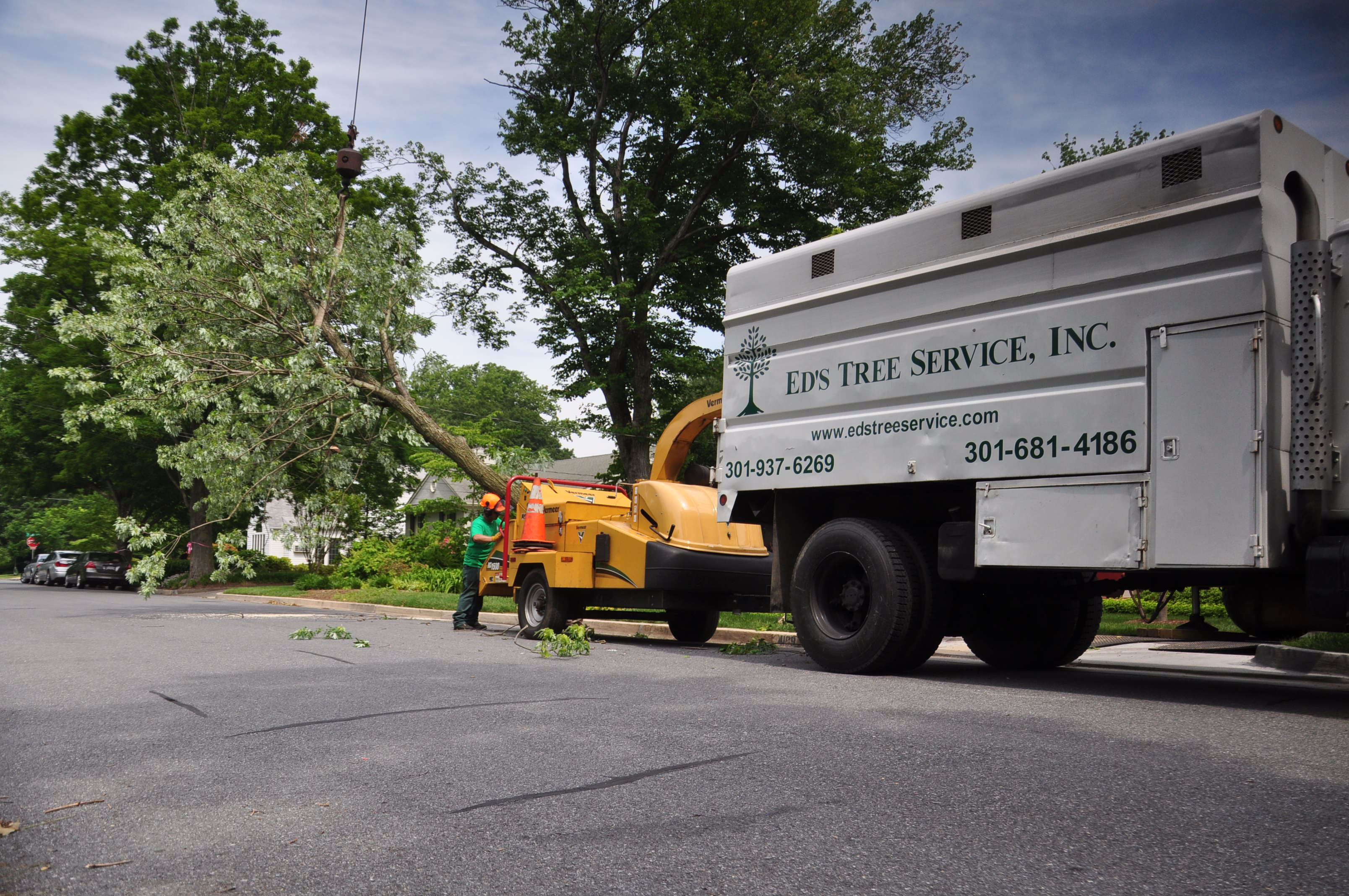
Ed’s Tree Service has proudly served homeowners throughout Maryland and the DC area since 1987. Our licensed and insured team brings decades of experience to every project, providing expert recommendations and quality workmanship backed by industry best practices.
If you’re considering tree pruning in Maryland, we offer free estimates with no pressure and no obligation.
Contact Ed’s Tree Service today to learn how professional tree pruning in MD can help protect your trees, your property, and your peace of mind.
Key Takeaways
- Tree pruning improves the health, structure, and long-term safety of your trees.
- Late winter and early spring are generally the best times for routine pruning, although hazardous branches should be removed whenever necessary.
- Proper pruning helps trees better withstand Maryland’s summer storms by removing weak or damaged limbs.
- Topping is a harmful practice that weakens trees and should always be avoided.
- A professional arborist can recommend a pruning schedule based on your trees’ species, age, and condition.
Frequently Asked Questions About Tree Pruning in Maryland
What’s the difference between tree pruning and tree trimming?
Pruning focuses on improving a tree’s health, structure, and long-term growth by removing specific branches. Trimming is generally performed to manage size, shape, or clearance around homes, driveways, and utility lines. Many professional tree care companies provide both services depending on the needs of the tree.
Does pruning help prevent storm damage?
While no tree can be made completely storm-proof, proper pruning reduces the risk of branch failure by removing dead, damaged, or poorly attached limbs. A balanced canopy also allows wind to pass through the tree more effectively during severe weather.
Is it okay to prune trees during the summer?
Light pruning and the removal of hazardous or storm-damaged branches can be performed during the summer when necessary. However, significant pruning is generally best scheduled during a tree’s dormant season unless an arborist recommends otherwise. The University of Maryland Extension notes that proper timing depends on the species and the purpose of pruning.
How much does tree pruning cost in Maryland?
The cost depends on factors such as the tree’s size, species, location, accessibility, and the amount of work required. The best way to determine pricing is to request an on-site estimate from a licensed and insured tree care company. Ed’s Tree Service provides free estimates with no obligation.