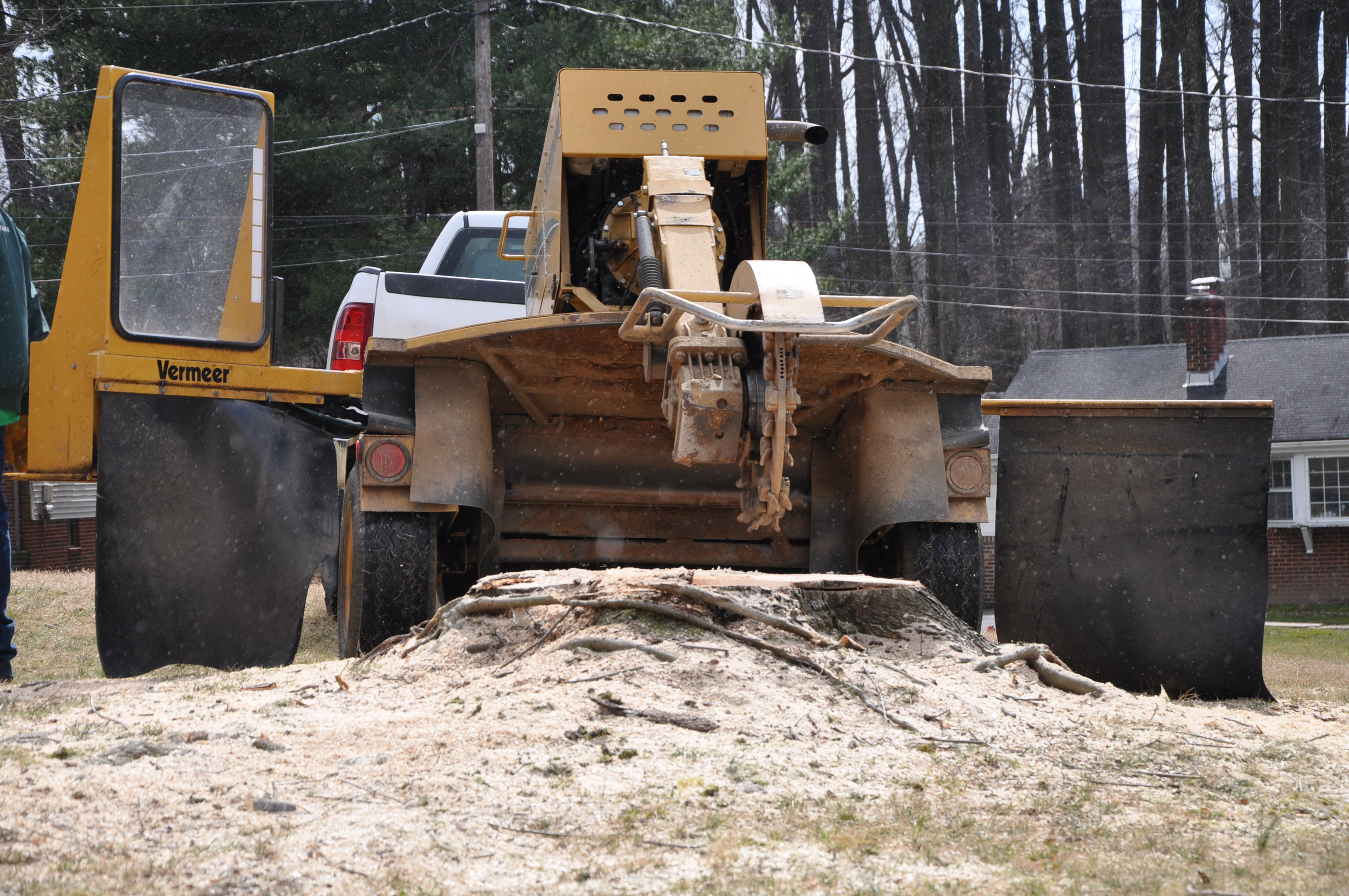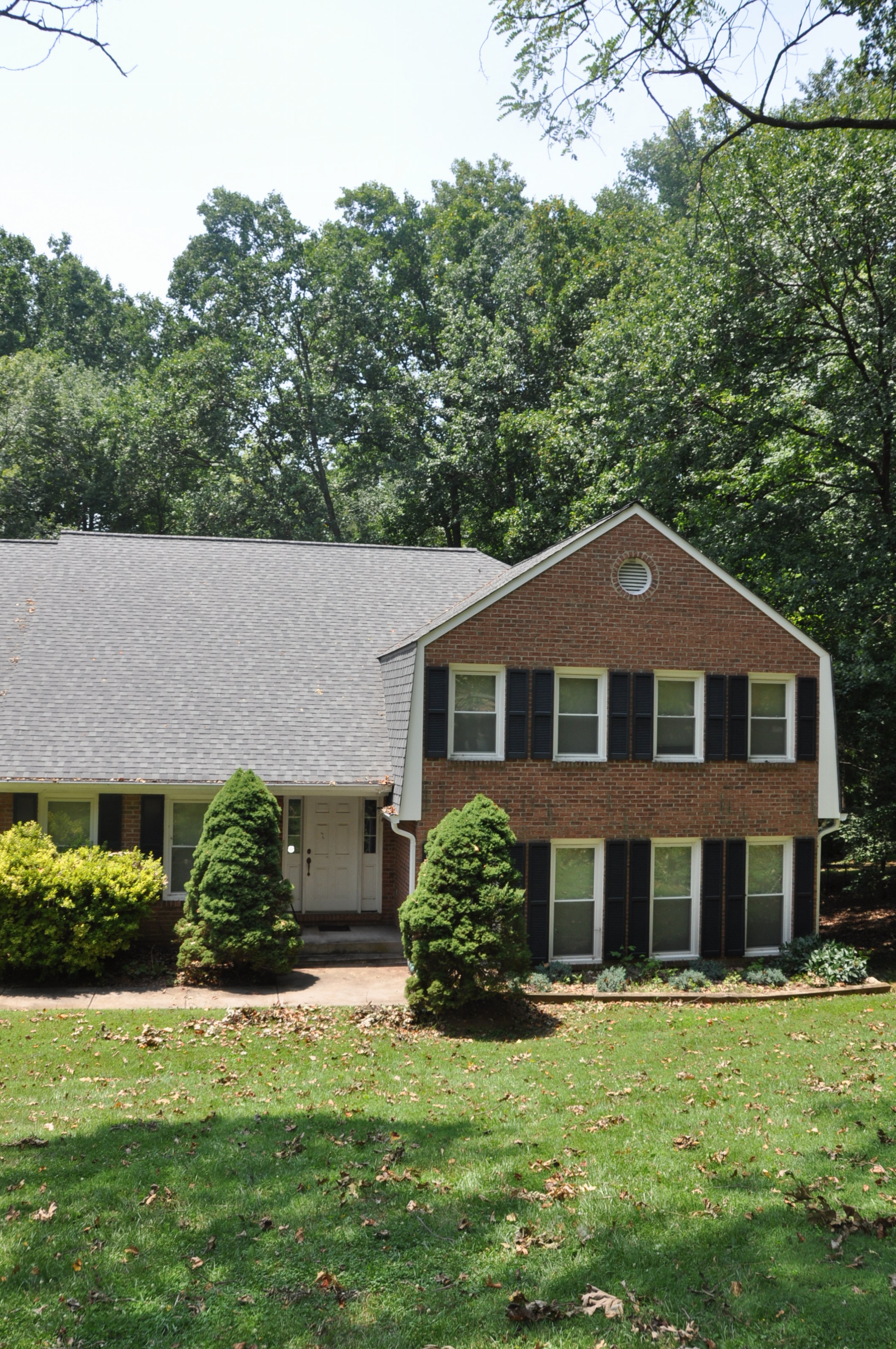
Tree removal may be complete, but the job isn’t always finished once the tree is gone. Left behind, an old stump can become more than an eyesore. According to the FS-USDA, it can attract insects, create safety hazards, interfere with landscaping projects, and even lead to new tree growth.
Whether you recently had a tree removed or inherited an old stump with your property, here’s what homeowners should know about Maryland stump removal in 2026.
1. Why Should You Consider Stump Removal in MD?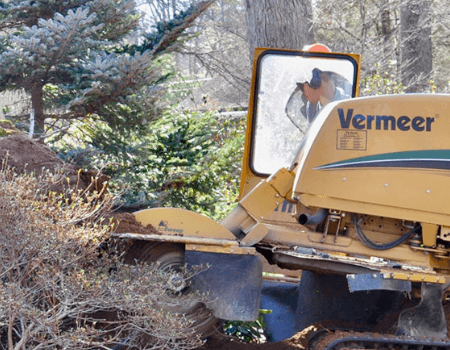
Many homeowners leave tree stumps in place because they don’t seem like an urgent problem. While that may be true initially, stumps often become more problematic over time.
Removing a stump can help:
- Improve the appearance of your landscape.
- Eliminate tripping hazards for family members and guests.
- Prevent lawn equipment from being damaged.
- Reduce the chance of termites, ants, beetles, and other wood-boring insects taking up residence.
- Create usable space for new landscaping, patios, gardens, or replacement trees.
As a stump begins to decay, it can also become home to fungi and other organisms that thrive in rotting wood. According to the University of Maryland Extension, decaying wood can provide habitat for insects and plant diseases that may spread to nearby vegetation.
2. Without a Stump Removal in Maryland, Does The Stump Stay Alive?
It sounds impossible, but yes. In certain cases, a cut stump can stay alive for years with no trunk, no leaves, and no canopy of its own.
This happens through a process called root grafting. When two trees of the same species grow close together, like a row of maples or oaks along a property line, their roots can fuse underground. Once that connection forms, the trees start sharing water and sugars through the shared root system.
If one of those trees gets cut down, its stump can keep receiving nutrients from its still-living neighbor through the grafted roots. Foresters have documented stumps surviving for decades this way, kept alive entirely by trees around them.
You can usually spot this if a stump still looks slightly moist or shows a thin layer of living tissue under the bark years after cutting, with no sprouts of its own. Grinding removes the visible stump but leaves the grafted roots underground, which is why some stumps in an old grove or tree line seem to “come back to life” in spots even after grinding. Full removal is the only way to physically break that root connection.
We can recommend the best option based on your property and future landscaping plans. Most residential stump removal in Maryland projects can be completed effectively with professional stump grinding.
3. Can a Tree Grow Back After It’s Been Cut Down?
Surprisingly, yes. Certain tree species are capable of producing new shoots from an existing stump long after the tree has been removed. These sprouts may appear harmless at first, but they draw energy from the remaining root system and can eventually develop into multiple weak trunks.
Species such as maples, elms, sweetgum, and some ornamental trees are especially prone to resprouting after removal.
A similar process can be observed here, at the National Forest Foundation’s website.
Stump grinding significantly reduces the likelihood of regrowth while improving the appearance of your yard. In some cases, additional treatment may be recommended to fully prevent new shoots from developing.
If your stump has already started producing new growth, it’s a good idea to have it evaluated before the problem becomes more difficult to manage.
4. Are Tree Stumps Dangerous?
Tree stumps may seem harmless, but they can create several safety concerns for homeowners. Hidden beneath grass or leaves, a stump can quickly become a tripping hazard for children, guests, and anyone mowing the lawn. Exposed roots can create similar problems, especially as they shift or become covered over time.
As stumps decay, they also become less structurally stable. Soft, rotting wood can attract termites, carpenter ants, beetles, and other wood-boring insects looking for a place to nest. While these insects don’t always spread to nearby structures, leaving a decaying stump in your yard increases the opportunity for unwanted pests to establish themselves.
Removing the stump not only improves safety but also gives you back valuable yard space for landscaping, outdoor living areas, or future tree planting.
5. Can You Remove a Tree Stump in MD Yourself?
Small stumps may be removable with hand tools, but larger stumps are often much more difficult than they appear. Extensive root systems can extend several feet beyond the stump itself, making excavation physically demanding and time-consuming.
Many homeowners attempt to remove stumps using chains, trucks, chemicals, or rented equipment, only to discover that the process damages their lawn or leaves much of the root system behind.
Professional stump removal in Maryland uses commercial-grade stump grinders that remove the stump efficiently while minimizing disruption to the surrounding landscape. Experienced operators also know how to work safely around underground utilities, irrigation systems, fences, and nearby trees.
If the stump is large, located near a structure, or surrounded by landscaping, hiring a professional is typically the safest and most cost-effective solution.
6. How Soon Should You Remove a Tree Stump?
There’s no requirement to remove a stump immediately after tree removal, but waiting too long can create additional challenges. Over time, stumps begin to decay, attract insects, develop fungal growth, and produce new sprouts depending on the tree species.
Removing the stump shortly after the tree comes down also makes it easier to restore your lawn while the area is already being repaired. Whether you’re planning to install sod, seed new grass, build a patio, or redesign your landscaping, eliminating the stump early simplifies the entire process.
If you’re planning any outdoor improvement projects this year, scheduling Maryland stump removal beforehand can save both time and money.
Schedule Your Maryland Stump Removal Estimate
A leftover stump doesn’t have to remain part of your landscape. Whether you’re improving your curb appeal, preventing future pest problems, or preparing your yard for a new project, professional stump removal provides a clean slate for your property.
Ed’s Tree Service has proudly served homeowners throughout Maryland and the DC area since 1987. Our licensed and insured team uses professional stump grinding equipment to remove stumps safely, efficiently, and with minimal disruption to your landscape. If you’re considering stump removal in Maryland, we offer free estimates with no pressure and no obligation.
Contact Ed’s Tree Service today to learn how Maryland professional stump removal can improve the safety, appearance, and usability of your property.
Key Takeaways
- Tree stumps can become tripping hazards and attract insects as they decay.
- Most residential stumps are best addressed through professional stump grinding.
- Some tree species can produce new shoots long after the tree has been removed.
- Removing a stump early makes future landscaping and lawn restoration much easier.
- Professional stump removal is typically faster, safer, and less disruptive than attempting the work yourself.
Frequently Asked Questions About Stump Removal in Maryland
Is stump grinding the same as stump removal?
Not exactly. Stump grinding removes the visible stump below ground level using specialized equipment, while complete stump removal involves excavating both the stump and much of the root system. For most residential properties, stump grinding is the preferred solution because it’s less invasive and more cost-effective.
Will termites live in an old tree stump?
Decaying stumps can attract termites and other wood-boring insects looking for food and shelter. Removing old stumps reduces the likelihood of pests establishing themselves in your landscape.
Can I plant a new tree where the old stump was?
In many cases, yes. However, it’s generally best to plant a new tree a short distance away from the original root system or after consulting an arborist to ensure the new tree has enough room to establish healthy roots.
How much does stump removal cost in Maryland?
Pricing depends on the stump’s diameter, species, location, accessibility, and the number of stumps being removed. The best way to receive accurate pricing is to schedule a free estimate with a professional tree service.