A mature tree is one of the most valuable features on a property, but it can also become one of the most serious liabilities. A tree that looks healthy from the sidewalk may be hollow at the core, leaning a little more each season, or quietly lifting a section of foundation. By the time the problem is obvious, the safest and most affordable window has often already passed. Here is what homeowners should understand about College Park tree removal before a tree becomes a bigger problem than it needs to be.
How Do You Know When a Tree Needs to Come Down?
Not every troubled tree needs to be removed, and a good arborist will tell you when a tree can be saved. That said, some signs point clearly toward removal. Watch for a lean greater than roughly 15 degrees from vertical, deep vertical cracks in the trunk, hollow or soft sections you can feel when you knock on the bark, mushrooms or fungal growth at the base, and large dead limbs high in the canopy.
Dead and dying trees are the most common candidates. Once a tree dies, the wood turns brittle and the root system loosens, which makes the tree far more likely to fail in a storm, or even on a calm day. The University of Maryland Extension offers a helpful framework for weighing a tree’s condition, location, and risk before making the call.
Why Tree Removal for a College Park Home Is a Job for Professionals
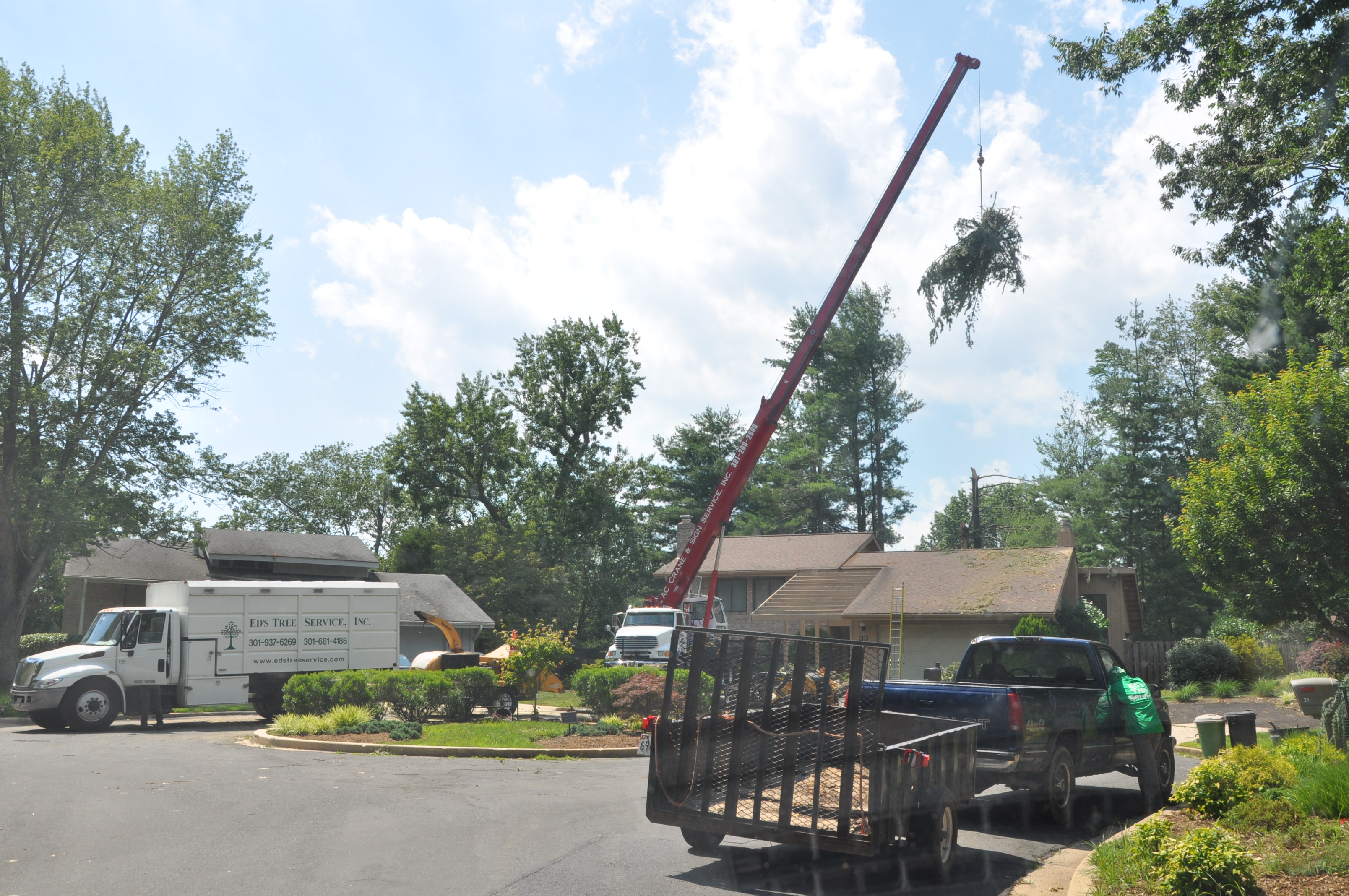
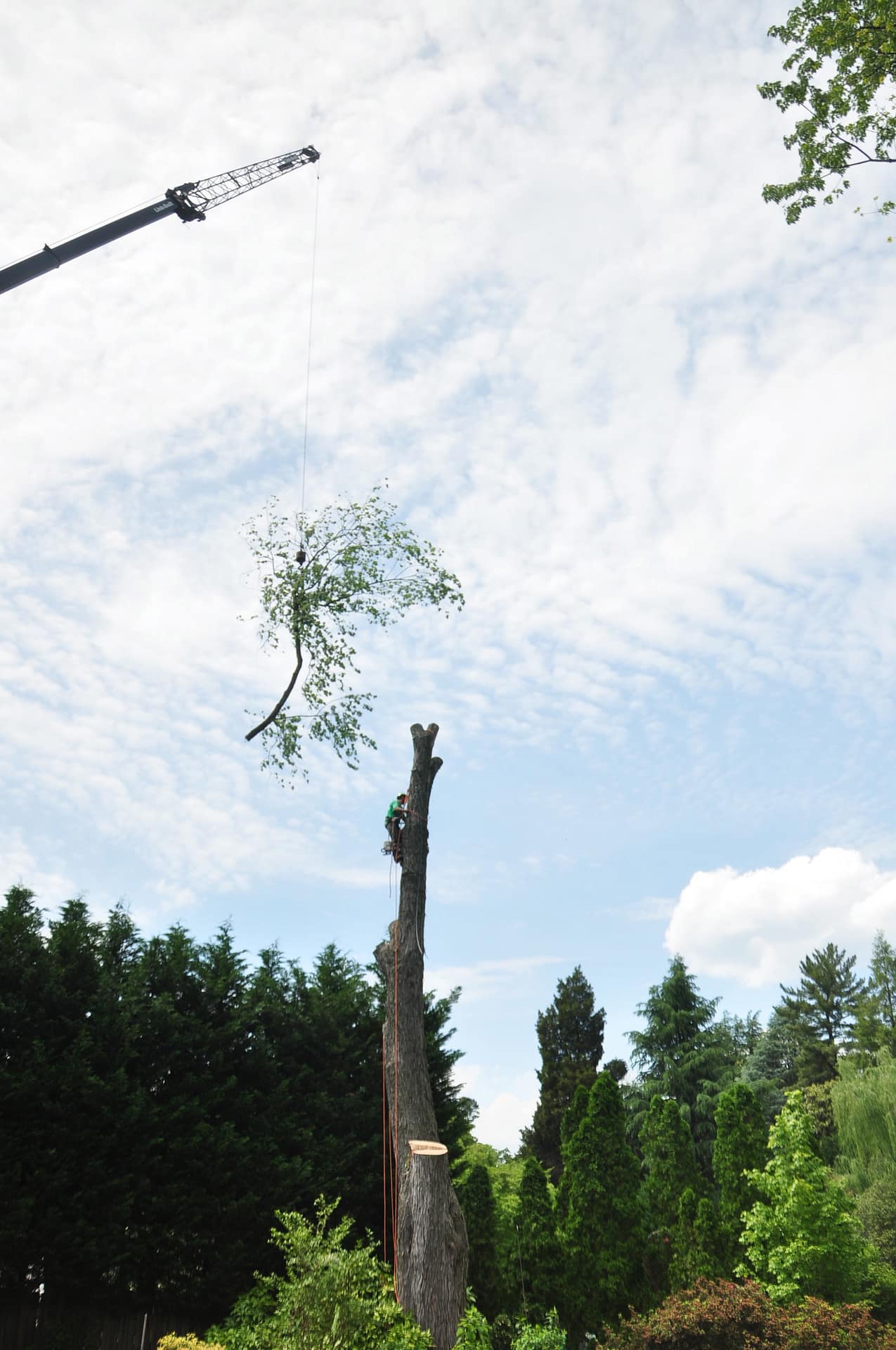
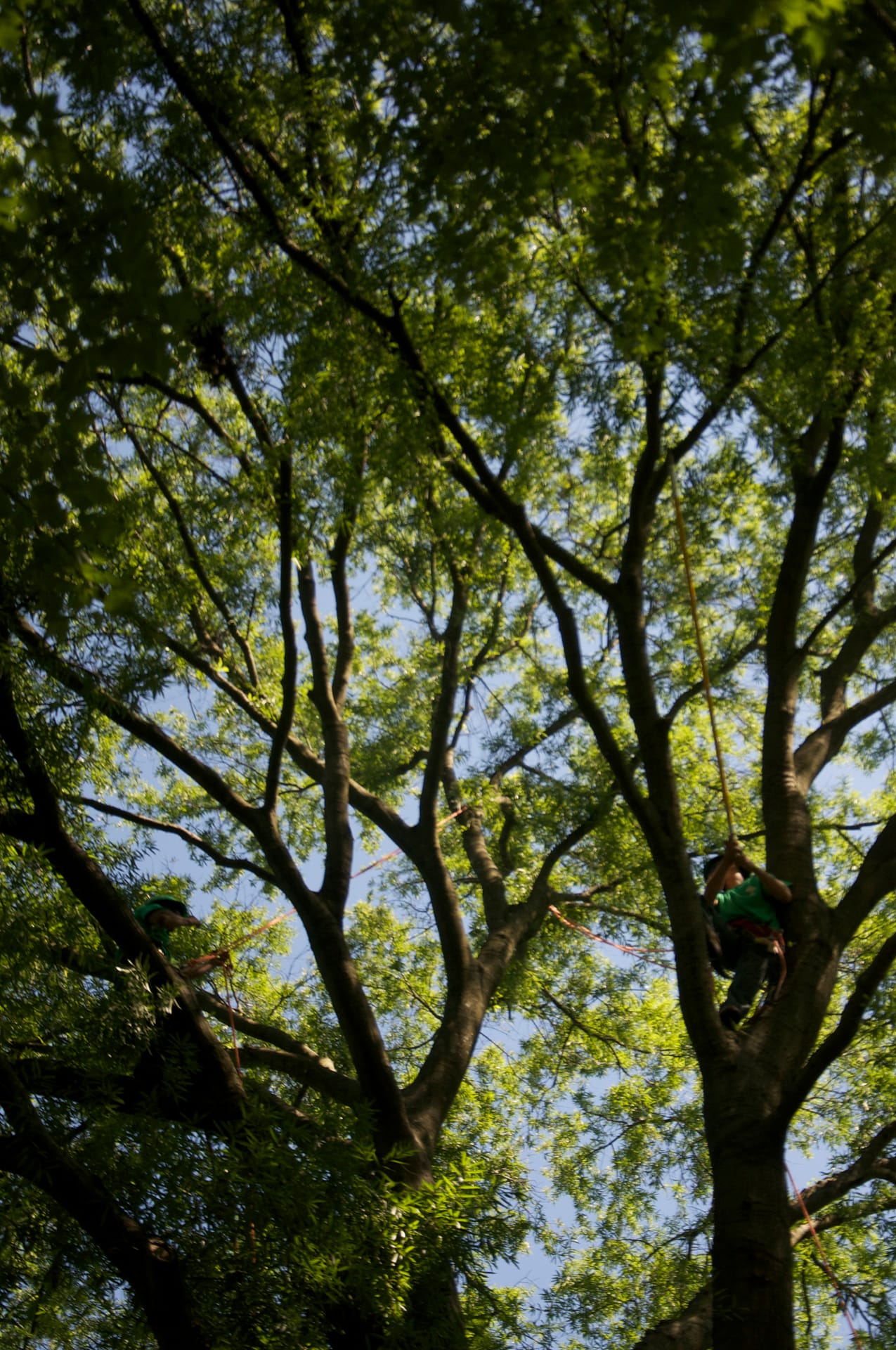
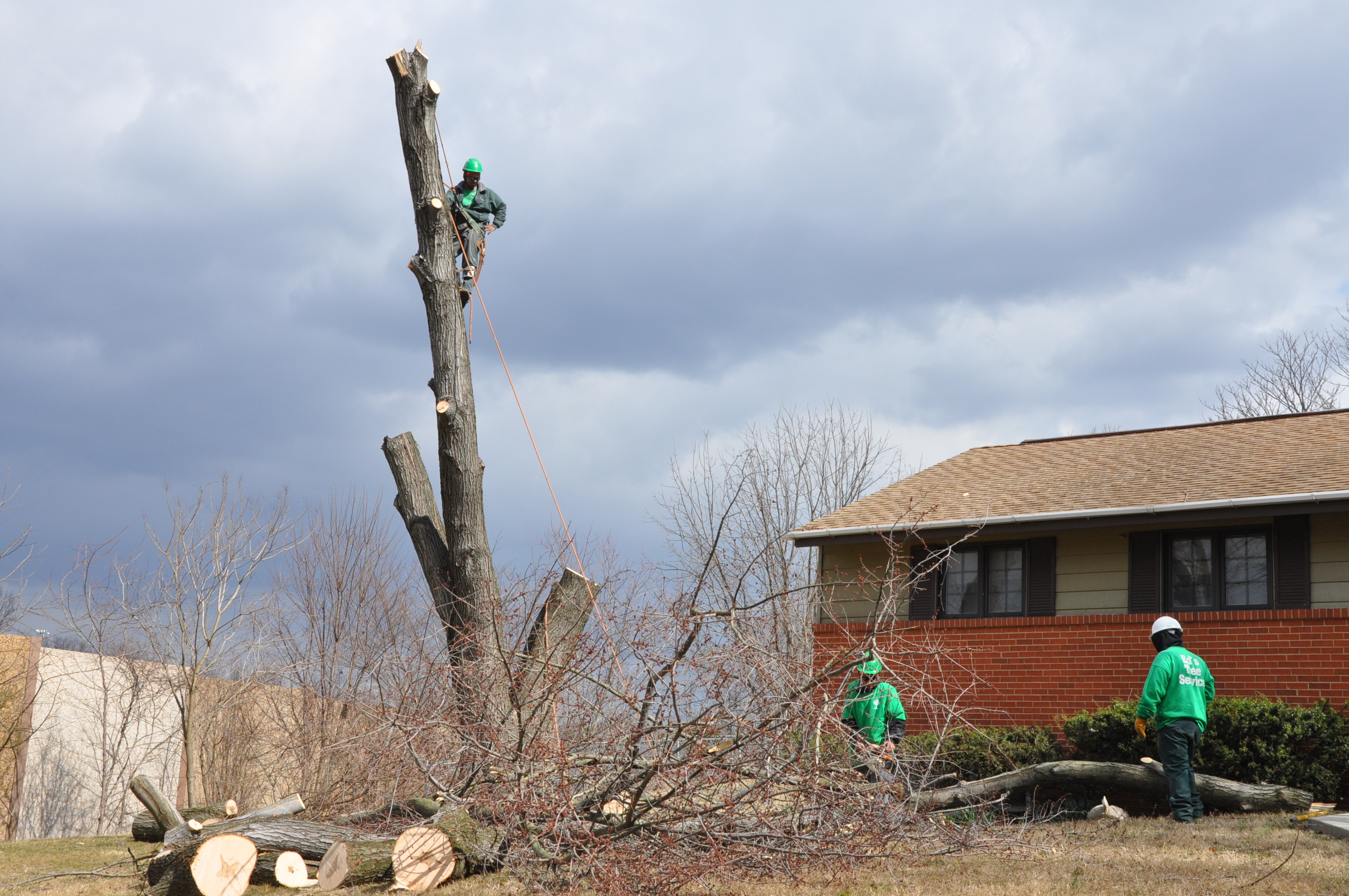
College Park lots are often tight, with houses, garages, fences, and utility lines close to the trees that shade them. That proximity is exactly what makes removal dangerous. A large limb dropped in the wrong direction can crush a roofline, snap a power line, or land on a neighbor’s property. Professional tree removal uses rigging systems, controlled sectioning, and, when the situation calls for it, crane support to bring a tree down piece by piece rather than letting gravity decide where it lands.
Both the Tree Care Industry Association and the International Society of Arboriculture emphasize that safe removal is about far more than owning a chainsaw. It requires training, the right equipment, and full insurance coverage that protects you if something goes wrong on your property.
What Happens to the Stump After a Tree Is Removed?
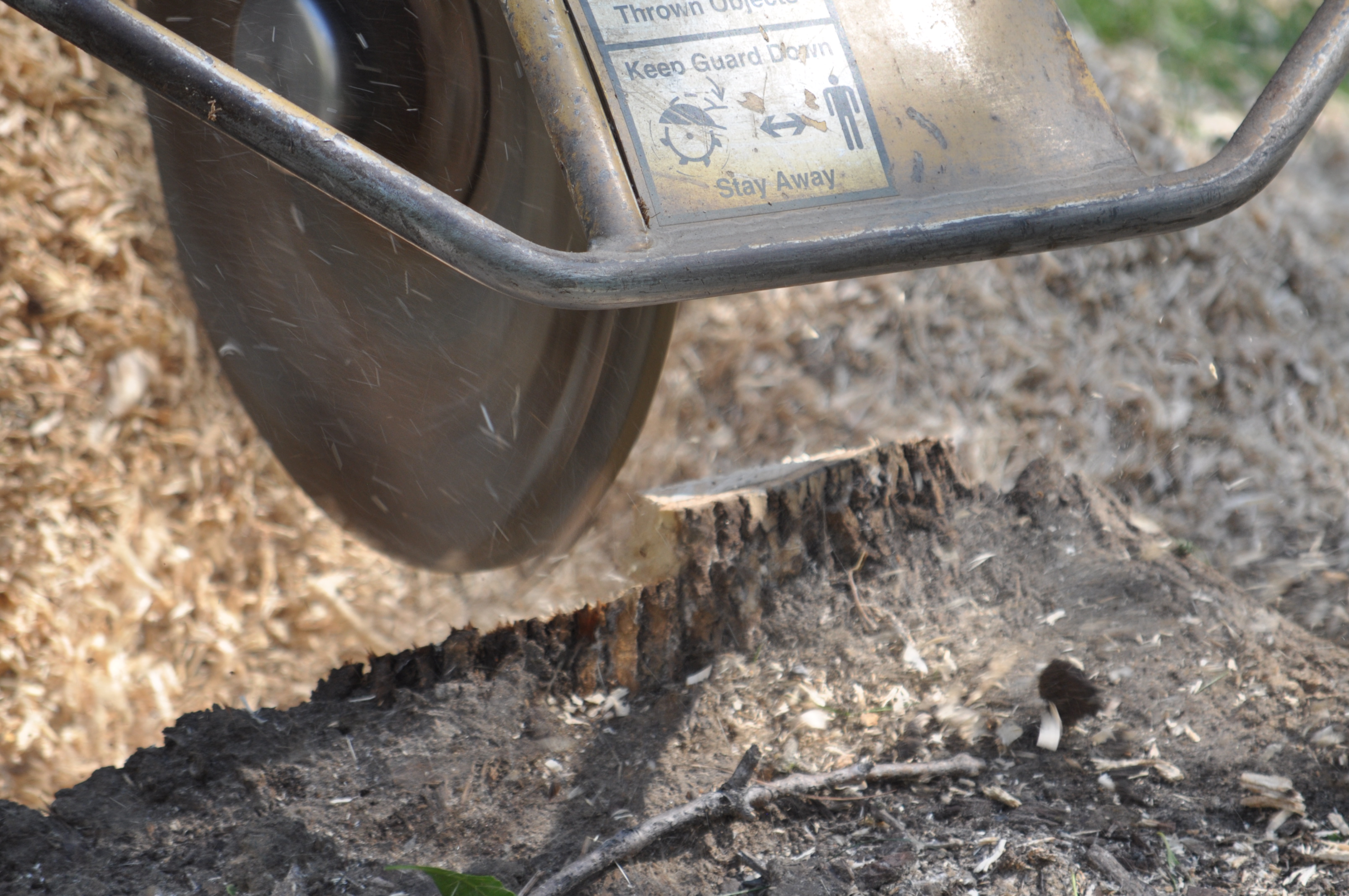
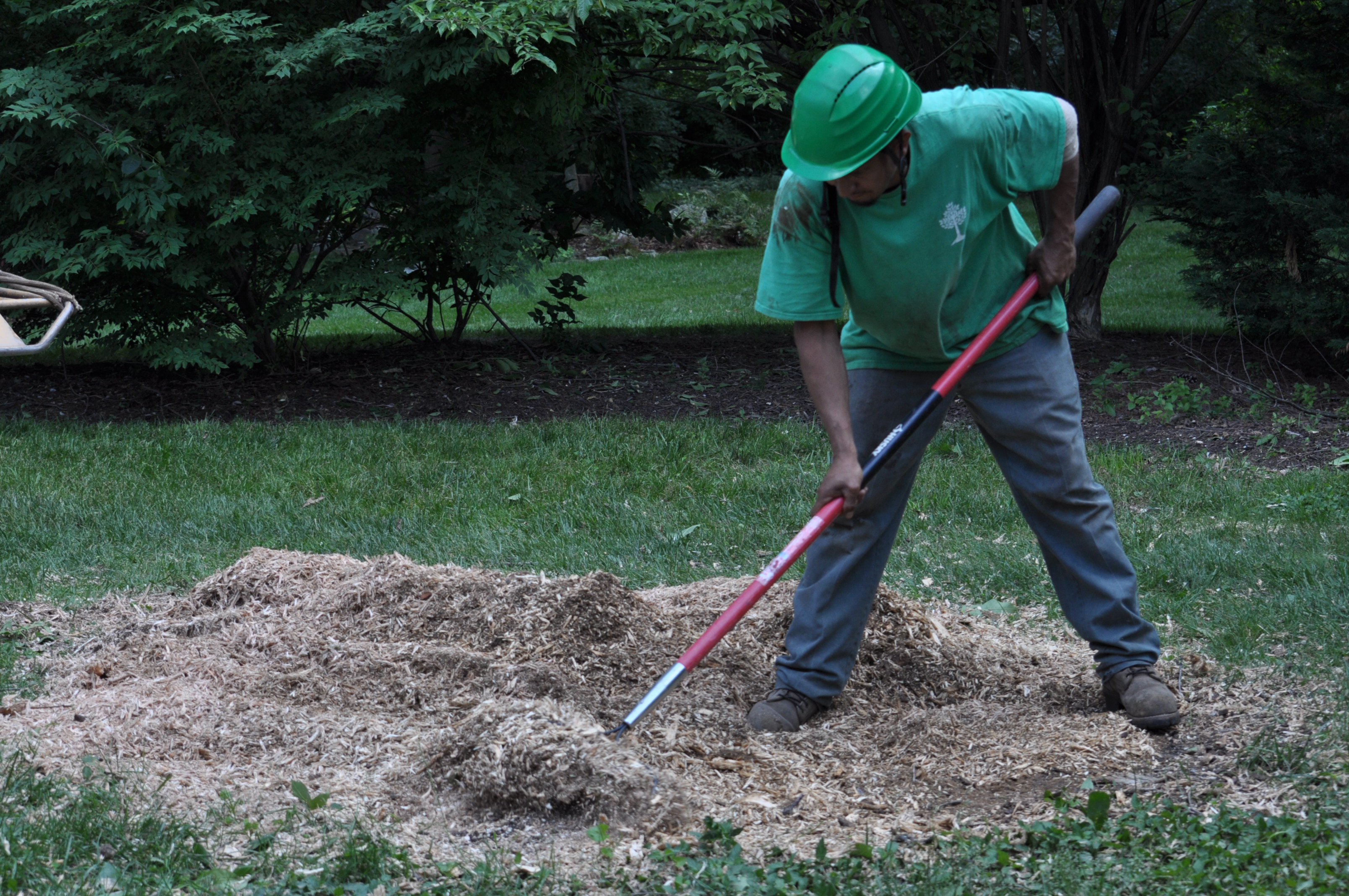
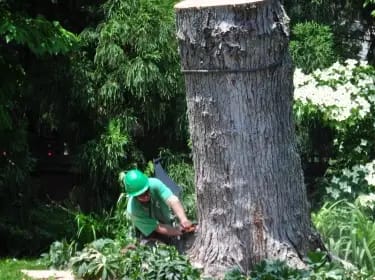
Removing the trunk and canopy is only part of the job. A leftover stump attracts carpenter ants and wood-boring pests, creates a tripping hazard, and can send up persistent suckers as the roots try to regrow. Most homeowners choose to pair removal with stump grinding and removal, which clears what is left behind and reclaims the space for lawn, landscaping, or whatever comes next.
Do You Need a Permit for Tree Removal in College Park?
This is where local knowledge matters. Tree removal in the College Park area can fall under municipal and county tree-protection rules, and requirements vary depending on the tree’s size, species, and location on your lot. The City of College Park Tree and Landscape Board oversees local tree canopy priorities, and Prince George’s County tree-preservation regulations may apply to larger or specimen trees. A licensed local tree service can help you determine whether a permit is required and handle the process if it is.
Is There a Best Time of Year for Tree Removal?
Unlike trimming and pruning, which is best timed to a tree’s dormant season, removal can happen safely any time of year. Dormant-season removal in late fall and winter is often a little easier and less disruptive to surrounding landscaping, since the ground is firmer and the canopy is bare. But a hazardous or dead tree should never wait for the calendar. If a tree threatens your home, it should come down as soon as it can be scheduled.
What Should You Look for in a College Park Tree Removal Company?
Start with credentials. A professional tree care company should hold a Maryland tree service license and carry both general liability and workman’s compensation insurance. Ask for the license number and proof of insurance; a reputable company will provide both without hesitation. From there, look for regional experience, transparent written estimates, and a crew that takes the time to explain what your tree actually needs. You can learn more about our team and history to see what nearly four decades of local experience looks like.
 Key Takeaways
- A lean, trunk cracks, hollow sections, fungal growth, and large dead limbs are all signs a tree may need to be removed, though a professional assessment should confirm it.
- Removal on a tight College Park lot is dangerous work best handled with proper rigging, equipment, and insurance, not a homeowner chainsaw.
- Pairing removal with stump grinding prevents pests, regrowth, and tripping hazards.
- Local permit rules may apply, so verify requirements with the City of College Park or Prince George’s County before work begins.
- Dead or hazardous trees should never wait for the optimal season. If a tree threatens your home, schedule removal promptly.
Frequently Asked Questions About Tree Removal in College Park
How much does tree removal cost in College Park?
Cost depends on the tree’s size, species, condition, and location, along with whether stump grinding or crane work is needed. The only reliable number is a written, on-site estimate from a licensed and insured company. Ed’s Tree Service provides free estimates with no obligation.
Can I remove a tree that is close to my house myself?
Any tree large enough to require a chainsaw, or one growing near a structure or power line, should be handled by a licensed professional. The cost of professional removal is a fraction of the cost of a damaged roof or an emergency-room visit.
Who is responsible if a tree falls on my neighbor’s property?
If a healthy tree falls during a storm, your neighbor’s homeowner’s insurance generally covers the damage. But if a dead or obviously hazardous tree you neglected causes damage, you may be held liable for negligence. Removing dead trees proactively protects you from that risk.
What credentials should a College Park tree removal company have?
Look for a current Maryland tree service license, general liability and workman’s compensation insurance, and certified arborists on staff. The ISA maintains a public directory of certified arborists so you can verify credentials before hiring.
Schedule Your Free College Park Tree Removal Estimate
Ed’s Tree Service has been caring for trees in Maryland and the DC area since 1987. We are woman-owned, family-run, licensed (Maryland license #557), and insured, and we bring nearly 40 years of hands-on expertise to every removal. Whether you have a hazardous tree threatening your home or you are simply not sure whether a tree needs to come down, we offer free estimates with no pressure and no obligation.